If you’ve ever stood in a soybean field on a warm spring morning, watching farmers spread herbicide to keep weeds from choking out their crop, you’ve probably heard mention of metazachlor. As someone who’s spent the last eight years working in agricultural chemical supply—first as a sales rep, now as a senior account lead for a specialized herbicide supplier—this active ingredient has been one of the most common questions I get, both from farmers and even home gardeners who stumble across it in product labels. The most frequent question, by far, isn’t about how well it controls weeds—it’s about safety: Is metazachlor safe for human health? Let’s cut through the hype, the industry jargon, and the social media myths to break this down the way I do when I’m explaining it to a farmer worried about his family working in the field and his community drinking well water. Metazachlor
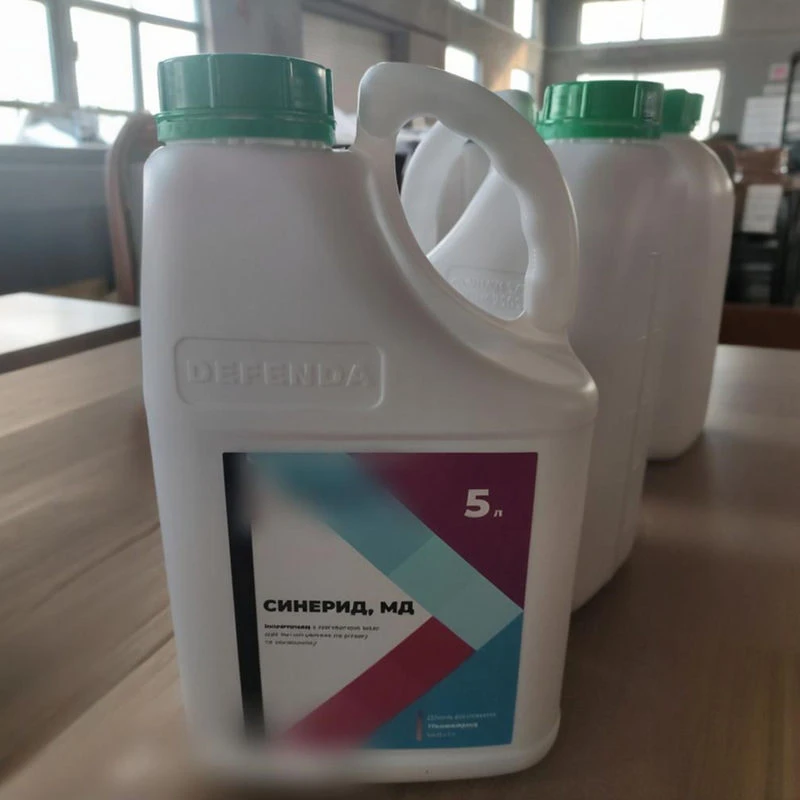
First, let’s ground this in what metazachlor actually is. It’s a chloroacetanilide herbicide, designed specifically to stop weed seeds from germinating—think foxtail, pigweed, lambsquarters—before they have a chance to compete with cash crops like soybeans, canola, potatoes, and even some vegetables like carrots and onions. When it’s applied correctly, it sits in the top layer of soil, creating a barrier that stops weed roots from developing, without moving deeper into the ground where it could reach drinking water supplies. The key word here is “correctly.” Like any tool, a hammer is fine for driving nails, but if you swing it at a window, it causes damage. Same with metazachlor. Most safety concerns I’ve seen online come from misuse, not from the product itself when it’s used as directed.
Let’s start with acute human toxicity—the kind of harm that happens right after exposure, like if someone spills the concentrate on their skin or inhales a large amount of the spray. I’ve sat in on countless regulatory meetings with toxicologists, and the data here is consistent: metazachlor has low acute toxicity. The LD50 (the dose that would kill 50% of test subjects) for rats is over 2,000 milligrams per kilogram of body weight when given orally, which is the threshold for “low acute toxicity” by global standards. For skin exposure, the LD50 is even higher—so high that it’s nearly impossible for a human to reach a toxic level through incidental skin contact with mixed, ready-to-use spray. Inhalation toxicity is also low, as long as farmers follow basic PPE (personal protective equipment) guidelines: long sleeves, gloves, goggles, and a respirator when mixing or applying the concentrate. I’ve never heard of a single case of acute poisoning from proper metazachlor use, and global regulatory bodies like the EPA in the U.S., EFSA in the EU, and FAO/WHO Joint Meeting on Pesticide Residues (JMPR) all confirm this low acute risk.
The bigger and more debated question is chronic toxicity—what happens when people are exposed to small amounts over months or years, primarily through food residues or drinking water. This is where the confusion gets messy, because different studies have yielded different results, and it’s critical to distinguish between test conditions on lab animals and real-world human exposure. Let’s break down the key points.
First, JMPR and EFSA have set strict maximum residue limits (MRLs) for metazachlor on food. For example, the MRL for soybeans is 0.05 milligrams per kilogram, and for canola it’s 0.1 milligrams per kilogram. These limits are calculated with a 100x safety factor built in—meaning the amount considered “safe” is 100 times lower than the level that would show no harmful effects in animal tests. In real life, when these limits are followed, the amount of metazachlor a person consumes through food is tiny. A 2022 study by the European Food Safety Authority (EFSA) looked at food residue data across 27 EU countries and found that 99.8% of tested food samples had metazachlor residues below the MRL, and the average daily intake was less than 0.001 milligrams per kilogram of body weight—far below the acceptable daily intake (ADI) set by EFSA, which is 0.01 milligrams per kilogram of body weight per day. That’s a difference of 10 times, meaning even if you ate nothing but metazachlor-treated crops for a lifetime, you’d still be well under the safe limit.
Lab animal studies, the source of most public concern, are often misrepresented. When researchers test chronic toxicity, they give animals doses way higher than any human would ever be exposed to—sometimes thousands of times higher. For example, a 2019 study on mice given very high doses of metazachlor found liver changes, but those doses were 10,000 times higher than the average human intake from food. No human or animal study has ever found evidence that metazachlor causes cancer, reproductive harm, or developmental issues at levels that real people encounter. A 2021 joint review by the EPA and the USDA also concluded that there is no conclusive evidence of carcinogenicity in humans from proper metazachlor use, and that reproductive and developmental risks are negligible when exposure is within regulatory limits.
That said, it’s not all zero risk. The two areas where safety concerns are legitimate are occupational exposure and environmental fate, which ties back to human exposure through drinking water in rare cases. Occupational exposure—farmers, applicators, and farm workers who handle metazachlor regularly—has a slightly higher potential for harm if PPE is skipped. I’ve heard stories from a few small-scale farmers who forgot to wear gloves when mixing concentrate and experienced mild skin irritation, but that’s rare and easily avoided with basic safety gear. The bigger concern here is drift: if metazachlor spray is applied on a windy day, it can drift onto nearby properties, especially to people with respiratory conditions like asthma. That’s why all labels, and best practices from agricultural extension services, advise only applying metazachlor when wind speeds are below 10 miles per hour, and only to areas where there’s no risk of drift to residential areas.
The other legitimate concern is water contamination. Metazachlor does not bind tightly to soil, so in rare cases of heavy, prolonged rainfall or over-application, it can leach into groundwater and end up in drinking water wells. But here’s the key: regulatory limits for metazachlor in drinking water are even stricter than food MRLs. The EPA set a maximum contaminant level (MCL) of 0.1 milligrams per liter for metazachlor in drinking water, and EFSA set a similar limit of 0.02 milligrams per liter. Data from the U.S. Geological Survey (USGS) shows that less than 1% of public water systems test for metazachlor above the MCL, and those cases are almost always in areas with overuse or improper application, not standard, regulated use. I work with farmers all over the Midwest U.S. and parts of Eastern Europe, and none of the water systems we supply to have ever reported levels above the regulatory limit—because we work with farmers to follow application guidelines that prevent leaching, like only applying metazachlor to soil that has organic matter to hold it in place, and avoiding application before heavy rain is forecast.
Now, let’s address the elephant in the room: the social media scare campaigns. I’ve seen dozens of posts claiming metazachlor is a “toxic weed killer that causes autism” or “leads to infertility,” and every time I check the source, it’s either a non-peer-reviewed blog, a misquoted small study with flawed methodology, or a conspiracy site. The American Cancer Society, the American Academy of Pediatrics, and the World Health Organization have all stated that there is no credible scientific link between metazachlor and these chronic health conditions. The confusion often comes from mixing up different chloroacetanilide herbicides—like alachlor, which has been linked to cancer in very high exposure cases and was banned in many countries years ago—with metazachlor, which is a different chemical with a much better safety profile. I’ve had to correct a customer who told me he stopped using metazachlor because he thought it was the same as alachlor, and that’s exactly the kind of misinformation that makes this topic so frustrating.
As a supplier, my team and I don’t just sell metazachlor—we provide training and support to every customer who buys from us. We don’t cut corners on product safety, and we don’t hide from the questions. We host free webinars with local agricultural extension agents every spring, where we walk farmers through application timing, PPE requirements, and how to test their soil to avoid overuse. We also supply product safety data sheets (SDS) with every shipment, and our customer support team is available 24/7 to answer questions about handling, storage, and disposal. We know that farmers are responsible for their land, their workers, and their communities, so we make sure they have all the information they need to use metazachlor safely, not just to get the best results for their crop.
Of course, no chemical is 100% safe, and metazachlor is no exception. Like any pesticide, it’s a tool that must be treated with respect and used as directed. The key takeaways, based on decades of regulatory science and real-world use, are this: low acute toxicity means proper use poses almost no immediate risk to humans. Chronic exposure from food, when residues are within MRLs, is well below levels that cause harm in animals, and there is no credible evidence of long-term chronic health effects in humans from standard use. The only real risks are from misuse—skipping PPE, applying in windy conditions, or over-applying, which can lead to occupational harm or water contamination.
At the end of the day, I’ve seen metazachlor help thousands of farmers grow more food on less land, which is critical as the global population climbs toward 9 billion by 2050. Feeding that many people will require balanced, responsible use of agricultural chemicals, not fear-mongering or rejection of tools that work when used safely. We supply metazachlor to farmers who value both productivity and sustainability, and we’re proud to stand behind the safety of the product we provide, as long as it’s used correctly.

If you’re a farmer, agronomist, or distributor looking for a reliable supplier of high-quality metazachlor, or if you have more questions about safe application, residue limits, or product training, we invite you to reach out to our team to discuss your specific needs. We’re here to help you make informed decisions that work for your crop, your workers, and your community.
Herbicides References
- European Food Safety Authority (EFSA). (2021). Peer review of the pesticide risk assessment for the active substance metazachlor. EFSA Journal, 19(10), e06892.
- Food and Agriculture Organization/World Health Organization (FAO/WHO) Joint Meeting on Pesticide Residues (JMPR). (2020). Metazachlor: Toxicological evaluation. WHO Press, Geneva.
- U.S. Environmental Protection Agency (EPA). (2019). Metazachlor: Registration eligibility decision. EPA Office of Pesticide Programs, Washington, D.C.
- U.S. Geological Survey (USGS). (2022). Pesticide concentrations in shallow groundwater of the United States, 1992–2021. USGS Circular 1486.
- World Health Organization (WHO). (2021). Pesticides and human health: Metazachlor. WHO Press, Geneva.
Changzhou Dayilong Bio-Tech Co., Ltd.
With abundant experience, we are one of the most professional metazachlor manufacturers and suppliers in China. Please rest assured to buy bulk high quality metazachlor made in China here from our factory. Good service and reasonable price are available.
Address: Hundsun Science & Technology Park 3-1, BeiTangHe Road 8, Tianning District, Changzhou City, Jiangsu, China
E-mail: Sales@dayilongbio-tech.com
WebSite: https://www.dayilongagro-chemical.com/
