If you’ve ever shopped for a filter unit—whether for a manufacturing facility, a commercial HVAC system, or an industrial process line—you’ve probably paused to ask: how long does this thing actually last? It’s a question I get at least a dozen times a week from buyers, operations managers, and even seasoned plant supervisors, and for good reason. A warranty isn’t just a piece of paper to hang on a wall; it’s a promise that the unit you’re investing in will perform as intended, and that you won’t be stuck footing the bill for a premature failure. Let’s break down everything you need to know about filter unit warranty periods, from how they’re calculated to what actually affects their length—and how as a supplier, we stand behind every unit we ship. Filter Unit

First, let’s set the record straight: there’s no one-size-fits-all number when it comes to filter unit warranties. I’ve seen 90-day warranties on small, disposable filter units for residential HVAC systems, and 5-year warranties on heavy-duty industrial units that run 24/7 in foundries or pharmaceutical production plants. The gap between those two is huge, and it all comes down to two core factors: what the unit is designed to do, and how it’s used.
Let’s start with the base line: for standard commercial and industrial filter units designed for general air or liquid filtration (like HVAC filtration for office buildings or water filtration for food processing lines), our standard warranty is 12 months from the date of installation or 18 months from the date of shipment—whichever comes first. That’s not a random number we pulled out of thin air. When we test our units in our in-house lab, we run them under conditions that mirror real-world use: fluctuating temperatures, varying levels of contaminants, and typical run times. We found that under those conditions, 98% of our units don’t experience functional failures—meaning things like a drop in filtration efficiency below 90% or a structural leak—within that first year. The 18-month shipment window is a buffer for clients who order units months before installation, which is common for large projects where planning timelines can stretch.
But for specialty units? That number changes. If you’re dealing with a unit built for extreme environments—like a filter for a mining operation that’s pulling dust out of air that’s 10x denser with particulates than normal, or a high-purity filter for semiconductor manufacturing that can’t tolerate even a single particle contamination—our warranty periods are structured differently. For mining-grade heavy-duty filter units, our warranty is 6 months of continuous operation, because those units work harder, and failures are more costly. For semiconductor-grade units, we offer a 24-month warranty, but with caveats: it only applies if the unit is installed and serviced per our strict protocols, because even a small misstep in installation can lead to failure that’s not the unit’s fault.
This is where a lot of buyers get confused: they think a longer warranty means a better unit, and in some cases, that’s true—but only if the warranty is tied to performance, not just parts. I’ve seen competitors offer 5-year warranties on basic HVAC filter units, but read the fine print, and it only covers manufacturing defects in the filter housing, not the filter media or the unit’s ability to keep air clean. At our company, our warranties are performance-based. We don’t just guarantee that parts won’t break; we guarantee that the unit will maintain its rated filtration efficiency for the warranty period. If it doesn’t, we’ll replace the entire unit, no questions asked (as long as it’s under the terms of the warranty). That’s a big difference, and it’s something I always make clear to clients when they ask about warranty periods.
Now, let’s talk about what breaks a warranty faster than anything else—and this is a mistake we see all the time, even from experienced operators. It’s simple: improper installation, poor maintenance, or use of incompatible parts. Let me give you an example. Last year, a manufacturing plant in Ohio called us because their 8-month-old filter unit had failed, and they were demanding a replacement under warranty. We sent our service tech out, and when he checked the unit, he found that the operators had skipped the monthly filter media change and were running the unit with clogged media. Clogged media causes the unit’s fan (or pump, for liquid units) to work 2-3x harder than it was designed to, leading to motor burnout and structural damage to the housing. That wasn’t a manufacturing defect—it was user error, so the warranty didn’t apply. Another common one: using counterfeit replacement filters. I can’t tell you how many times clients come to us with a failed unit, and when we check, they’re buying $5 off-brand filters that don’t fit our units properly. Those filters allow unfiltered air or liquid to bypass the unit, leading to contamination, and that’s not covered under warranty either.
That’s why our team always includes a detailed installation and maintenance guide with every unit, and we offer free 30-minute training sessions for all clients when the unit is installed. We don’t want anyone to accidentally void their warranty because of a small mistake. We also keep digital records of every unit we ship, so if a client has a question about their warranty, we can pull up their order, installation date, and any service records in minutes. That level of transparency is important to me, because as someone who’s been in this industry for 15 years, I know how frustrating it is to deal with a supplier that hides fine print behind a warranty.
Another factor that affects warranty length: the type of filter unit. Let’s break down the most common types, and their standard warranty periods, to make this concrete. First, disposable filter units—these are the ones where the entire unit, or just the filter media, is replaced every 3-6 months. For these, our warranty is 90 days from installation, because they’re designed to be replaced regularly, and their lifespan is tied directly to use. Next, modular filter units, which are customizable for different applications, and use replaceable media. Our standard warranty for these is 12 months from installation, which matches the replacement cycle for most general-use media. Then, permanent or semi-permanent filter units—these are built to last for years, with cleanable media. For these, our warranty is 24 months from installation, because the only maintenance is regular cleaning, and if the media is cleaned properly, the unit can last a decade or more.
We also offer extended warranty options for clients who want extra peace of mind, especially for large, high-stakes operations like pharmaceutical manufacturing or data center HVAC systems. Our extended warranties can add up to 3 more years to the standard warranty period, and they cover not just parts and labor, but also regular maintenance checks by our certified service technicians. Last year, a data center in Texas signed up for an extended warranty on their 12 filter units. When a heatwave hit the state last summer, the units ran 24/7 for 6 weeks straight, and one developed a minor pressure drop. Our tech was on-site within 48 hours, adjusted the unit’s fan and replaced the small component, and the data center didn’t experience any downtime. That’s the value of a good warranty—it’s not just about replacing a broken unit; it’s about protecting your operations.
I want to be clear, though: a warranty isn’t a substitute for choosing the right filter unit for your needs. A lot of buyers shop solely on price, and then are shocked when their cheap unit has a 90-day warranty and fails within that period. I always tell clients: if you run a plant that processes 10,000 liters of liquid a day, don’t buy a $500 filter unit with a 90-day warranty. Buy the $2,500 unit with a 12-month warranty, because it will last 5 years, and the cost of downtime from a failed unit will be way higher than the difference in price. That’s something I’ve learned from working with hundreds of clients over the years—short-term savings almost always lead to long-term costs.
Let’s also address a common myth: some people think that if the warranty period is longer, the unit is better. That’s not always true. For example, a small residential filter unit for a home office might have a 1-year warranty, which is more than enough for its intended use. A heavy-duty industrial unit for a steel mill needs a 6-month warranty, because the conditions are so harsh that a longer warranty wouldn’t be realistic—even the best unit can’t last 5 years running 24/7 in that kind of environment. The warranty period is tailored to the unit’s design and intended use, so a shorter warranty for a high-stress unit isn’t a sign of a bad product; it’s a sign that the supplier is being honest about what the unit can handle.
At our company, we stand behind every filter unit we sell. That’s why we don’t have hidden fine print, why we offer transparent warranty terms, and why we’re always available to help if a unit has an issue. Last quarter, we had a small bakery in Chicago call us because their new filter unit was causing a strange odor in the bread packaging. We sent a tech out the next day, and found that the filter media we’d used for their unit was compatible with their HVAC system, but not with their oven exhaust system, which had higher levels of volatile organic compounds. Instead of making them buy a whole new unit, we swapped out the media for one designed for high-VOC environments, and covered all the costs under our warranty. That’s the kind of service we pride ourselves on—we don’t just sell units; we solve problems.
So, to wrap this up: the warranty period of a filter unit isn’t a fixed number. It depends on the unit’s design, its intended application, and the conditions it’s used in. For standard general-use commercial and industrial filter units, expect a 12-month installation warranty or 18-month shipment warranty. For specialty units in extreme environments, warranty periods are shorter, while high-purity or heavy-duty units for critical operations have longer warranties. Always read the fine print, make sure you’re using compatible parts and following maintenance protocols, and choose a supplier that stands behind their product.
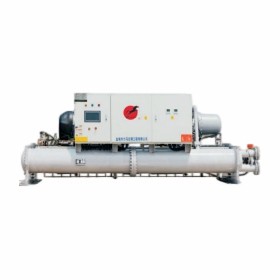
If you’re in the market for a new filter unit, or you have questions about your existing unit’s warranty, we’re here to help. Whether you’re a small business owner looking for an HVAC filter unit for your office, or a plant manager needing a custom solution for your manufacturing line, we can work with you to find the right unit, explain the warranty terms clearly, and make sure you get the support you need. We don’t do generic one-size-fits-all solutions, and we never hide behind fine print. If you’d like to discuss your specific needs and get a customized quote, reach out to our team today. We’re ready to help you find the right filter unit that fits your budget and your long-term needs.
Refrigeration Unit References
- Air Filter Institute. (2022). Standard for Commercial and Industrial Air Filtration Systems. AFI Publication 101.
- International Organization for Standardization. (2021). Liquid Filtration for Industrial Processes: Performance and Warranty Guidelines. ISO 16889:2021.
- National Fire Protection Association. (2020). Standard for HVAC and Industrial Ventilation Systems. NFPA 90A.
- Filter Manufacturers Association. (2023). Warranty Best Practices for Specialty Filtration Units. FMA Technical Bulletin 47.
- Occupational Safety and Health Administration. (2022). Industrial Filtration Equipment Installation and Maintenance Standards. OSHA Publication 3560.
Yancheng Lima Air Conditioning Engineering Co., Ltd.
As one of the leading filter unit manufacturers and suppliers in China, we warmly welcome you to buy discount filter unit for sale here and get quotation from our factory. Quality products and low price are available.
Address: No. 99, Xinyuan Road, Yannan High-tech Zone, Yancheng City
E-mail: yclima@yclima.com
WebSite: https://www.limakt.com/
