As a plastic crate supplier, I often encounter questions from customers about the practicality of plastic crates, especially in terms of stacking in limited spaces. This topic is crucial as efficient space utilization is a top priority for many businesses, whether they are in the logistics, retail, or manufacturing sectors. In this blog, I will delve into the factors that make plastic crates easy or difficult to stack in confined areas and share some insights based on my experience in the industry. Plastic Crate

Advantages of Plastic Crates for Stacking
One of the primary advantages of plastic crates is their design, which is specifically engineered for easy stacking. Unlike other storage options, such as cardboard boxes, plastic crates are more durable and have a uniform shape. This uniformity allows for precise stacking, ensuring that each crate sits securely on top of the other. The corners and edges of plastic crates are often reinforced, providing additional stability and preventing the stack from toppling over.
Another benefit of plastic crates is their lightweight nature. Compared to wooden or metal crates, plastic crates are much easier to handle, which is particularly important when stacking them in a limited space. Workers can easily lift and move the crates without the need for heavy machinery, reducing the risk of injury and increasing efficiency. Additionally, the lightweight design of plastic crates means that they can be stacked higher without putting excessive stress on the bottom crates, maximizing the use of vertical space.
Plastic crates also offer excellent visibility. Many plastic crates are transparent or semi – transparent, allowing users to quickly identify the contents without having to open each crate. This feature is especially useful in a limited space where time is of the essence. Workers can easily locate the items they need, reducing the time spent searching for products and improving overall productivity.
Factors Affecting Stacking in Limited Spaces
While plastic crates have many advantages for stacking, several factors can affect their ease of stacking in limited spaces. One of the most significant factors is the size and shape of the crates. If the crates are too large or irregularly shaped, they may not fit well together, making it difficult to stack them efficiently. For example, if the crates have protruding handles or uneven edges, they may not stack neatly, leaving gaps between the crates and wasting valuable space.
The weight of the contents also plays a crucial role in stacking. If the crates are overloaded, they may become unstable, increasing the risk of collapse. It is important to ensure that the weight is evenly distributed across the crates and that the maximum weight capacity of each crate is not exceeded. Additionally, the type of items stored in the crates can affect their stacking ability. For instance, if the items are bulky or have an irregular shape, they may not fit well inside the crates, making it challenging to stack them properly.
The layout of the storage area is another factor to consider. In a limited space, the available floor area and ceiling height can restrict the stacking options. If the space is narrow or has low ceilings, it may be difficult to stack the crates to their full height. In such cases, it may be necessary to use alternative stacking methods, such as side – by – side stacking or using stacking racks to optimize the use of space.
Strategies for Efficient Stacking in Limited Spaces
To overcome the challenges of stacking plastic crates in limited spaces, several strategies can be employed. First, it is essential to choose the right size and shape of crates for the specific storage needs. Selecting crates that are designed to stack easily and fit well together can significantly improve the efficiency of the stacking process. For example, crates with interlocking features or a modular design can be stacked more securely and efficiently.
Proper organization is also key to efficient stacking. Before stacking the crates, it is important to sort and categorize the items to ensure that similar items are stored together. This not only makes it easier to locate the items but also allows for more efficient use of space. Additionally, labeling the crates can help workers quickly identify the contents, reducing the time spent searching for products.
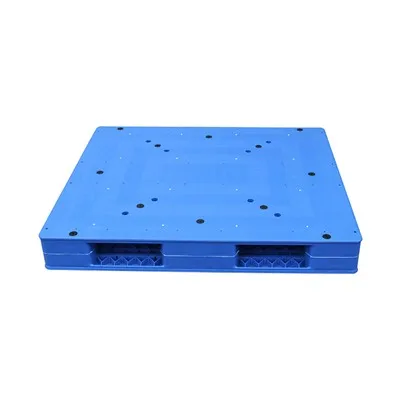
Using stacking racks or pallets can also enhance the stacking ability of plastic crates in limited spaces. Stacking racks provide a stable base for the crates and allow for vertical stacking, maximizing the use of available space. Pallets can also be used to group the crates together, making them easier to move and stack. By using these tools, businesses can increase the stacking height and improve the overall efficiency of their storage operations.
Case Studies
To illustrate the practicality of plastic crates in limited spaces, let’s consider a few case studies. A small retail store with limited storage space was struggling to organize its inventory. By switching to plastic crates, the store was able to stack the crates more efficiently, utilizing the vertical space in its storage room. The transparent design of the crates also allowed the store employees to quickly identify the products, reducing the time spent searching for items. As a result, the store was able to increase its storage capacity and improve its overall inventory management.
In another case, a logistics company was facing challenges in stacking its shipping crates in a congested warehouse. By using plastic crates with interlocking features, the company was able to stack the crates more securely and efficiently. The lightweight design of the crates also made them easier to handle, reducing the time and effort required to move the crates. This led to a significant improvement in the company’s warehouse operations and a reduction in the risk of damage to the products.
Conclusion
In conclusion, plastic crates are generally easy to stack in limited spaces due to their durable design, lightweight nature, and excellent visibility. However, several factors, such as the size and shape of the crates, the weight of the contents, and the layout of the storage area, can affect their stacking ability. By choosing the right crates, organizing the items properly, and using stacking tools, businesses can overcome these challenges and maximize the use of limited space.
Industrial Pallet Container If you are looking for high – quality plastic crates that are easy to stack and suitable for your specific storage needs, I invite you to contact me for a detailed discussion. Our team of experts can help you select the right crates and provide you with valuable advice on efficient stacking strategies. Let’s work together to optimize your storage space and improve your business operations.
References
- "Plastic Crates: A Comprehensive Guide to Storage and Handling", Industry Insights Journal, Volume 12, Issue 3.
- "Efficient Space Utilization in Warehousing", Logistics Management Review, Volume 8, Issue 5.
- "The Benefits of Plastic Crates in Retail Inventory Management", Retail Business Today, Volume 15, Issue 2.
Shanghai Qusheng Plastics Co., Ltd.
As one of the leading plastic crate manufacturers and suppliers in China, we have world-leading production equipment and strong manufacturing capabilities. Please rest assured to wholesale customized plastic crate from our factory. For quotation, contact us now.
Address: No.85 Hengtang Road, Huaqiao Town, Kunshan City, Jiangsu Province
E-mail: Totepallet-inquiry@plastic-crate.com
WebSite: https://www.totepallet.com/
