Ventilation is a critical aspect of hydrogen station design and operation. As a hydrogen station supplier, I understand the importance of ensuring proper ventilation to safeguard the functionality of the station and protect the safety of the environment and personnel. In this blog, we’ll explore the ventilation requirements at a hydrogen station, including why they are essential, key factors determining those requirements, and how we as a supplier address these needs. Hydrogen Station
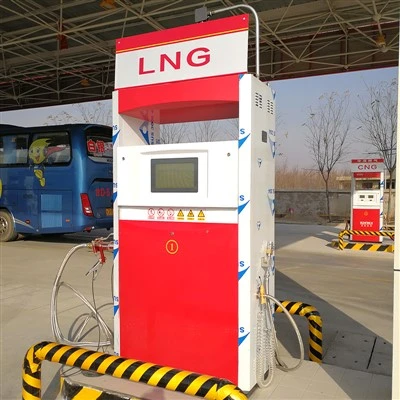
The Importance of Ventilation at Hydrogen Stations
Hydrogen is a highly flammable gas with a wide flammable range, from 4% to 75% in air by volume. Small hydrogen leaks can easily occur during normal operations such as refueling, storage, or maintenance. Without adequate ventilation, hydrogen can accumulate in enclosed or semi – enclosed spaces, creating a significant explosion hazard.
Good ventilation helps to disperse leaked hydrogen into the atmosphere before it reaches flammable concentrations. Additionally, ventilation can remove other gases and vapors that might be present, such as hydrocarbons from the lubricants used in the equipment, ensuring a safe working environment for employees and reducing the risk of harm to the public in the vicinity of the station.
Key Factors Determining Ventilation Requirements
1. Station Layout and Design
The physical layout of the hydrogen station plays a crucial role in ventilation requirements. Indoor stations, for example, have different ventilation needs compared to outdoor stations. Indoor stations must rely on mechanical ventilation systems because natural ventilation may not be sufficient to eliminate hydrogen accumulation effectively. In contrast, outdoor stations can take advantage of natural air movement but still require proper positioning of equipment to ensure efficient dispersion of hydrogen.
The size of the station and the arrangement of storage tanks, dispensers, and other equipment also affect ventilation. A larger station may need more powerful ventilation systems to cover a greater volume, while equipment layout should minimize potential pockets where hydrogen could accumulate.
2. Hydrogen Flow and Pressure
The rate of hydrogen flow and the pressure at which it is stored and dispensed influence ventilation requirements. Higher flow rates and pressures mean that a larger quantity of hydrogen could be released in the event of a leak. For instance, high – pressure storage systems, such as those using Type IV cylinders, store hydrogen at pressures up to 700 bar. In the case of a sudden rupture or leak, a large amount of hydrogen can be rapidly released, and the ventilation system must be designed to handle this scenario.
3. Ambient Conditions
Local climate and weather conditions have a significant impact on ventilation. In areas with high humidity, ventilation systems may need to be designed to prevent moisture from affecting the performance of hydrogen equipment. In regions prone to strong winds, the station’s design can be optimized to use natural wind for better dispersion of hydrogen. On the other hand, in areas with calm wind conditions or frequent temperature inversions, more robust mechanical ventilation may be required.
Ventilation System Types and Their Applications
1. Natural Ventilation
Natural ventilation relies on the movement of air due to differences in temperature and pressure, as well as wind. In outdoor hydrogen stations, natural ventilation can be enhanced by proper siting. For example, the station can be built in an open area away from large buildings or other structures that could block the wind. Louvers and vents can also be installed on equipment enclosures to allow for natural air exchange.
However, natural ventilation has limitations. It may not be sufficient during periods of low wind or in enclosed areas. Therefore, it is often used in combination with other ventilation methods.
2. Mechanical Ventilation
Mechanical ventilation systems use fans, blowers, or exhaust systems to move air. These systems can be designed to provide a constant flow of fresh air into the station and remove the potentially hydrogen – contaminated air. There are two main types of mechanical ventilation:
- Supply Ventilation: This system brings fresh air into the station. It can be used to dilute any leaked hydrogen and maintain a safe environment. Supply ventilation is particularly useful in areas where there is a risk of hydrogen accumulation, such as around storage tanks and dispensers.
- Exhaust Ventilation: Exhaust ventilation removes contaminated air from the station. It can be installed in areas where hydrogen is likely to be released, and the exhaust air is typically directed away from the station and populated areas.
3. Hybrid Ventilation
Hybrid ventilation combines the advantages of natural and mechanical ventilation. During favorable weather conditions, the system can rely on natural ventilation, reducing energy consumption. When natural ventilation is insufficient, the mechanical components can be activated to ensure proper air exchange. This approach provides flexibility and energy efficiency while maintaining a high level of safety.
How We Address Ventilation Requirements as a Supplier
As a hydrogen station supplier, we take a comprehensive approach to ventilation design. Our process starts with a detailed assessment of each project’s specific requirements. We consider factors such as the station’s location, size, intended use, and local regulations.
We work closely with our clients to understand their needs and expectations. Our team of engineers conducts on – site surveys to gather data on ambient conditions, including wind patterns, temperature variations, and humidity levels. This information is used to design a ventilation system that is tailored to the specific site.
In addition to designing effective ventilation systems, we also ensure that all components are of high quality and meet relevant safety standards. We source ventilation equipment from reputable manufacturers and conduct rigorous testing before installation.
We also provide ongoing maintenance and support services for the ventilation systems we install. Regular inspections and servicing help to ensure that the systems are operating efficiently and effectively, reducing the risk of hydrogen accumulation and potential safety hazards.
Conclusion
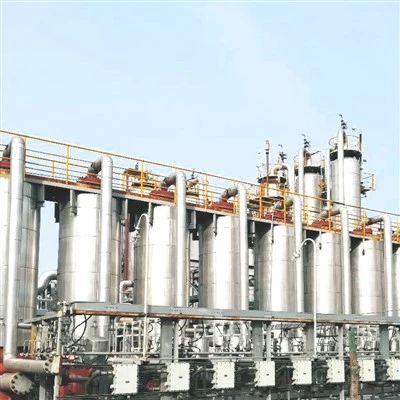
Proper ventilation is a fundamental aspect of hydrogen station design and operation. By understanding the key factors that determine ventilation requirements and implementing appropriate ventilation systems, we can ensure the safety and functionality of hydrogen stations. As a hydrogen station supplier, we are committed to providing our clients with high – quality ventilation solutions that meet their specific needs and comply with all relevant safety standards.
Hydrogen Station If you are considering building a hydrogen station or upgrading an existing one, we invite you to contact us for a consultation. Our team of experts can help you design and implement a ventilation system that ensures the safety and efficiency of your station. We look forward to working with you to create a sustainable and safe hydrogen – powered future.
References
- International Electrotechnical Commission. (IEC) Standards for Hydrogen Fueling Stations.
- National Fire Protection Association (NFPA) 2: Hydrogen Technologies Code.
- Society of Automotive Engineers (SAE) Standards related to Hydrogen Storage and Dispensing Systems.
Chengdu Hi-tech Panda Energy Technology Co., Ltd.
With abundant experience, we are one of the most professional hydrogen station manufacturers in China. Please feel free to buy high quality hydrogen station for sale here from our factory. Also, customized service is available.
Address: No.1604, 16th Floor, Unit 2, Building 1, No.1700, North Section of Tianfu Avenue, Chengdu High-tech Zone, China (Sichuan) Pilot Free Trade Zone
E-mail: Haikepanda-sos@aliyun.com
WebSite: https://www.haike-energe.com/
