If you’ve ever grabbed a cold can of iced tea from a convenience store shelf, stared at a sleek water bottle at a coffee shop, or ordered a craft soda out of a glass bottle at a local bar, you’ve interacted with a beverage package that did more than hold liquid. As the owner of a beverage packaging solutions supplier, I’ve spent the last 12 years on the floor of manufacturing lines, in boardrooms with startup founders, and on grocery store floors watching consumers pause, pick up, and put back products based almost entirely on how a package feels, looks, and what it says about the brand inside. Too many beverage brands still treat packaging like an afterthought—something to check off a list before launching a drink. But in a category where over 100 new beverages hit U.S. shelves every week, according to data from the IRI Center for Retail Research, packaging is no longer just a vessel. It’s a branding opportunity, a storyteller, and a salesperson that works 24/7. Let’s break down the real, actionable branding opportunities we’ve helped clients lean into over the years, ones that don’t require a seven-figure ad budget or a viral TikTok dance. Beverage Packaging Solutions
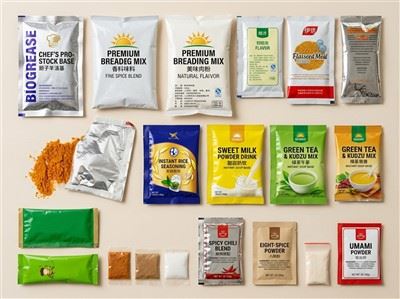
First, let’s talk about functional branding—packaging that works harder than just holding your drink, and sends a clear, trust-building message about your brand. For too long, “functional packaging” was synonymous with “easy-open lids” or “screw-top caps.” Today, it’s about solving real pain points for consumers while tying those solutions directly to what your brand stands for. Take one of our earliest craft beverage clients: a small-batch cold brew coffee brand that struggled with consistent flavor in their retail line. They were using generic plastic bottles that let oxygen seep in, turning their smooth brew bitter after just a week on shelves. We helped them switch to a high-barrier laminated bottle and added a “freshness window”—a small, matte spot on the back of the bottle that changes from green to brown if oxygen has breached the seal, indicating the brew is past its peak. That small tweak didn’t just fix their quality issue; it became a core part of their branding. They highlighted the window on their website, called it their “freshness promise,” and told consumers to “look for the green dot” when picking up their product. Within six months, their repeat purchases jumped 28%, because consumers trusted that the package was as committed to quality as their coffee was. Functional branding doesn’t have to be complicated. For a sparkling water client that targeted parents with young kids, we designed a tamper-proof flip-top cap that also had a built-in loop to attach to backpacks or diaper bags. Parents didn’t have to fumble with loose caps or worry about spills in the car, and the brand used that cap on their social media, posting photos of kids sipping water on soccer sidelines. The cap solved a real problem, and turned a routine purchase into a memorable, trust-driven moment.
Next, circular branding—packaging that tells your consumers you care about the planet, and turns your sustainability efforts into a selling point, not just a marketing buzzword. This is one of the biggest opportunities right now, because 60% of Gen Z and millennial beverage buyers say they’d pay 10% more for a drink packaged in a way that’s recyclable or reusable, per a 2024 NielsenIQ report. But here’s the mistake brands make: they slap a “recyclable” label on a bottle made of mixed plastic, and wonder why no one cares. Consumers can spot greenwashing from a mile away. The brands that win with circular branding are the ones that make their package’s sustainability tangible and part of their story. Take a local organic juice client we worked with two years ago. They originally used clear plastic bottles, which consumers thought were not very sustainable, even though they were recyclable. We helped them switch to 100% post-consumer recycled (PCR) PET plastic, but we didn’t stop there. We added a unique, textured emboss on the side of the bottle that looks like tree bark, and printed a small, scannable QR code right below the emboss that takes consumers to a page on our website (and theirs) that tracks exactly where the plastic in their bottle came from—how many water bottles it was turned from, which recycling center it was processed at, and how much carbon was saved by using PCR instead of virgin plastic. We also designed a refill program: customers could bring their empty bottles back to local grocery stores for a $0.50 credit, and the brand would wash, sanitize, and refill them, instead of sending them to the recycling center. The emboss became a recognizable signature of their brand, the QR code solved the “I don’t know how to recycle this” problem, and the refill program turned casual buyers into loyal ones, because they felt like they were part of something bigger than just buying a juice. The brand’s sales grew 42% in the first year, and 70% of their new customers cited the sustainable packaging as their main reason for trying them. Circular branding isn’t just about using recycled materials. It’s about making your sustainability efforts visible, transparent, and part of the consumer experience, so when someone picks up your drink, they’re not just holding a bottle—they’re holding proof of your values.
Another huge, underrated branding opportunity is sensory branding—packaging that engages more than just a consumer’s eyes, creating a memorable, emotional connection that keeps people coming back. We often focus on how a package looks, but how it feels when you hold it, the sound it makes when you open it, even the scent it emits (if done right) can stick with someone long after they finish their drink. Think about the difference between holding a flimsy, crinkly aluminum can and a thick, matte glass bottle. The glass feels premium, solid, like the drink inside is worth paying more for. The can feels disposable, quick, casual. That’s sensory branding at work. A craft soda client we worked with wanted to position their brand as a “throwback to 1950s soda fountains, but for today’s consumers.” We designed their packaging to feel like a vintage milk bottle, but with modern touches. The glass is thick and weighted, so when you pick it up, it feels substantial, not like a cheap soda bottle. The cap is a crown cap, the kind you twist off with a bottle opener, making a sharp, satisfying “pop” when you open it—way more memorable than the click of a plastic cap. We added a thin, textured paper label that feels like a old newspaper, printed with hand-drawn illustrations of local street corners, tying the soda to the city it’s brewed in. A lot of consumers told us that even if they didn’t love the soda at first, the feeling of holding the glass bottle, and the sound of the pop, made them want to come back. One of our clients, a cold-pressed herbal tea brand, even added a subtle, natural lavender scent to the inner liner of their paper box (safe, non-toxic, of course) that comes through when you open it. Consumers associated the soft, calming scent with the tea inside, which was marketed as stress-relieving, and sales jumped 35% in six months because of that small, sensory detail. Sensory branding doesn’t have to be expensive or over-the-top. It’s about understanding your brand’s personality, and picking small, tactile details that match that personality. If your brand is fun and playful, use bright, textured packaging that feels bouncy. If it’s premium and calm, use thick, matte materials with soft, muted colors. The key is to make the package feel like an extension of the drink itself, so when someone interacts with it, they feel something, not just see something.
Let’s also talk about functional flexibility and niche targeting—packaging that adapts to how different consumers use your product, turning versatility into a branding tool. The beverage world isn’t one-size-fits-all anymore. Some consumers want a drink to grab and go for a hike, others want a large bottle to share at a backyard BBQ, and others want a mini can to sip slowly at work. A lot of brands launch one SKU, one packaging format, and miss out on connecting with different groups of consumers. We helped a local iced tea brand expand from just 16oz plastic bottles to a whole line of packaging that targeted different use cases, and turned each format into a branding asset. For hikers and commuters, we designed a 12oz resealable aluminum can with a pull tab that doubles as a lid, so you don’t have to finish it all at once, and it fits in a standard backpack pocket. The brand branded this as their “Adventure Can,” and posted photos of hikers and campers with the cans on their Instagram, tagging outdoor groups and partnering with local trail organizations. For families and BBQs, we designed a 64oz glass growler with a handle, so it’s easy to carry, and added a custom label that people could write their name on, so they knew which drink was theirs at the party. The brand called this their “Family Growler,” and ran a promotion where if you brought a growler back to refill, you got a free custom sticker with your family’s last name. For office workers, we did a 12oz slim can that fits in a standard office cup holder, and added a small tab on the side where you could write your name, so no one takes your drink by accident. Each packaging format didn’t just serve a different need—it had its own identity, tied directly to the brand’s values of community and adventure. The brand’s total sales grew 58% in two years, because they were no longer just selling iced tea—they were selling the right iced tea, in the right package, for every part of a consumer’s life.
Now, let’s be real: none of these opportunities work if they’re not tailored to your brand’s core identity. We’ve had clients come to us saying “we want a sustainable package” or “we want a premium package” and end up with something that feels generic, because it didn’t align with what their brand actually stands for. A plant-based protein shake brand that’s all about convenience shouldn’t use a fragile glass bottle, because their target consumer is a busy parent or gym-goer who doesn’t want to carry something that can break. A luxury craft spirit brand that focuses on artisanal, small-batch quality shouldn’t use a thin, mass-produced plastic bottle, because it would cheapen the product’s image. The best packaging branding opportunities are the ones that bridge what your brand stands for, what your consumers need, and what makes you different from every other beverage on the shelf.
Over the last decade, we’ve seen so many brands blow up because of their packaging, not in spite of it. We’ve also seen great products fail because they were stuck in a generic package that didn’t tell their story. If you’re a beverage brand, whether you’re just starting out with a single drink or expanding a line that’s been around for decades, packaging is your most powerful, most underused branding tool. It’s right there on the shelf, where consumers make split-second decisions. It works while you sleep, while you’re at a conference, while your ad campaign runs online. It’s not just a way to hold your drink—it’s how you greet a consumer, tell them who you are, and convince them to pick your product over the dozen others right next to it.
If you’re ready to turn your beverage packaging into a branding asset that drives sales, builds loyalty, and sets you apart in a crowded market, we’re here to help. We don’t do one-size-fits-all solutions; we work with every brand to understand their unique values, audience, and goals, and design packaging that does exactly what you need it to do. Reach out to our team to learn more, and let’s start building a package that works as hard as your product does.
Condiment Packaging Solutions References:
IRI Center for Retail Research. (2024). Beverage Innovation & Trends Report.
NielsenIQ. (2024). Global Sustainability in Consumer Packaged Goods Survey.
Qingdao Senlida Packing Co., Ltd.
Qingdao Senlida Packing Co., Ltd. is one of the most experienced beverage packaging solutions manufacturers and suppliers in China since 1995. With a professional production team, we are able to meet the needs of the majority of our customers. Please feel free to buy high quality packing products at competitive price from our factory.
Address: No.299 Feichao Road, Luwang Town, Huangdao District, Qingdao, Shandong Province, China.
E-mail: liuxh@qdsenlida.com
WebSite: https://www.senlidapacking.com/
