If you’re working with CVPC pipe fittings – and if you’re on this site, you probably know CVPC stands for Chlorinated Polyvinyl Chloride – you might be wondering, do these parts need special cleaning methods? As a supplier who’s sold CVPC fittings to plumbers, contractors, and industrial maintenance teams for years, I can tell you the answer isn’t a simple yes or no. It depends on where the fittings are used, what’s been running through the pipes, and how you’re storing them before installation. Let’s break this down like we chat over a coffee (no stuffy jargon, I promise). CVPC Pipe Fittings
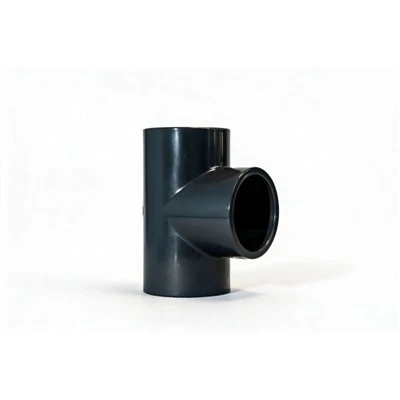
First, let’s get one thing straight: CVPC is way more resistant to corrosion, chemicals, and temperature swings than plain PVC, but that doesn’t make it indestructible. It’s still a thermoplastic, so harsh cleaners or abrasive tools can mess with its surface over time. A lot of people make the mistake of grabbing the same cleaner they use for metal pipes or concrete, and that’s where problems start. Let’s go through the most common scenarios you’ll run into: pre-installation cleaning, in-service cleaning, and storage cleaning.
Pre-installation is where I see the most mistakes. When you get a box of new CVPC fittings, they’re wrapped in plastic and maybe have a thin film of manufacturing residue – like mold release agents or dust from the factory floor. That residue might not look like a big deal, but if you don’t wipe it off before gluing the fittings to pipes, the adhesive (the solvent cement for thermoplastics) won’t bond properly. I’ve had a customer call me last month saying a joint leaked 3 weeks after installation, and when I asked, he admitted he skipped cleaning the inside and outside of the fitting before gluing. Turns out, the factory dust created a tiny barrier between the cement and the CVPC, so the joint failed under pressure.
So what’s the right way to clean new CVPC fittings before installation? For the exterior and the inside of the socket (the part that fits over the pipe), just a soft lint-free cloth dampened with warm water works 90% of the time. No need for soap, no need for chemicals. If there’s a stubborn spot – maybe a smudge of grease from shipping – a tiny bit of mild dish soap (the kind without heavy degreasers) mixed with warm water will do the trick. Rinse it off right away, then dry with a clean cloth. Never use abrasive scouring pads, steel wool, or harsh cleaners like bleach or ammonia on new fittings – those can scratch the surface, create tiny crevices where gunk can build up later, or even break down the CVPC material over repeated exposure.
Now, what about fittings that are already in use? That’s where things get a bit trickier. CVPC fittings are often used in industrial settings, chemical processing plants, or even hot water lines for large buildings, so they might be exposed to all kinds of gunk: mineral scale, chemical residues, algae, or even bacteria. Here, you can’t just use warm water – but you also can’t go too strong. Let’s split in-service cleaning into two categories: mild buildup and heavy, stubborn buildup.
For mild stuff, like light mineral scale from hot water lines, or thin algae growth in a water supply line, a 50/50 mix of white vinegar and warm water is safe and effective. Vinegar is acidic enough to break down mineral deposits, but it’s gentle on CVPC – I’ve tested this on fittings we’ve had in our warehouse for 10 years, and it never caused any discoloration or damage. Let the solution sit on the fitting for 15 to 20 minutes, then scrub gently with a soft bristle brush (like a toothbrush, but larger) and rinse thoroughly with clean water. Avoid letting vinegar sit on the CVPC for more than an hour, though – even gentle acids can cause long-term damage if left too long.
For heavier buildup, like chemical residues from industrial processes, or thick scale that vinegar won’t touch, you can use a specialized CVPC-safe cleaner. A lot of general-purpose plastic cleaners on the market will work, but make sure it’s labeled safe for chlorinated polyvinyl chloride – avoid anything with petroleum distillates, ketones, or aromatic hydrocarbons. Those chemicals can soften or crack the CVPC over time, which is a big no-no. If you’re not sure, send a sample to a local supply store or check with a CVPC manufacturer’s data sheet – I keep a list of approved cleaners for my customers, so feel free to ask if you’re unsure.
One thing to note about in-service cleaning: never use pressure washers on CVPC fittings. I’ve seen contractors blast a fitting with a pressure washer to clean it, and the high-pressure stream can etch the surface of the CVPC, especially if it’s old. That etching creates places where more gunk builds up, and it weakens the material over time. Stick to low-pressure rinsing, like a garden hose on a gentle setting, for in-service cleaning.
Then there’s storage cleaning. If you’re a contractor or someone who buys fittings in bulk, you might have a stack of CVPC parts sitting in your garage or warehouse for a few months before installation. Dust, moisture, and even pests can get to them, so cleaning before storage or when you pull them out is important. For storage, wrap any unused fittings in a clean plastic bag to keep dust and moisture out. If they do get dirty while sitting, just wipe them down with a dry cloth – if there’s moisture, let them air dry in a cool, dry place for a day before wrapping them up. Never store CVPC fittings near chemicals like paint thinner, gasoline, or cleaning solvents – those fumes can break down the material even if the fitting isn’t directly touching the chemical.
Wait, let’s talk about a common myth I hear a lot: some people think because CVPC is chlorine-treated, it doesn’t need cleaning at all. That’s not true. Chlorine can kill bacteria, but it doesn’t prevent mineral scale or chemical buildup. In fact, if you have a water line with a lot of chlorine, that chlorine can react with other minerals in the water to create scale, which builds up on the inside of CVPC fittings over time. So even in a water supply line, regular gentle cleaning will keep the fittings working longer.
Another thing to keep in mind: when cleaning fittings that have threaded ends (like for valves or connections), make sure you clean the threads gently. Threads are easier to scratch than the smooth surface of the fitting body, so use a soft brush to clean them, and avoid any harsh cleaners that can get into the threads and affect the sealant you use later.
Let’s also touch on what not to do. I’ve seen people use brake cleaner, citrus-based degreasers (some citrus degreasers have d-limonene which is tough on plastics), and even oven cleaner on CVPC fittings. Oven cleaner is super alkaline, and that can etch the surface of the CVPC, leading to discoloration and weakening. Brake cleaner has harsh chemicals that can cause the fitting to crack over time, especially if it’s exposed repeatedly.
So, to wrap this up: do CVPC pipe fittings require special cleaning methods? Not “special” in the way that you need expensive, hard-to-find products – but they do need gentle, chemical-specific cleaning to keep them working properly. The key is to match your cleaner to the task: warm water and a soft cloth for new fittings, vinegar for mild in-service buildup, and specialized CVPC-safe cleaners for heavy industrial buildup. Avoid abrasive tools, harsh chemicals, and pressure washers, and you’ll keep your CVPC fittings in great shape for years.
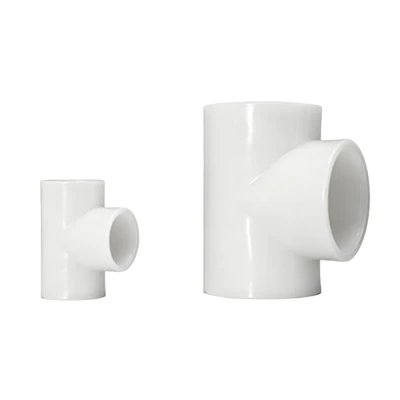
At the end of the day, as a CVPC pipe fittings supplier, I want my customers to get the most out of every part they buy. Proper cleaning might seem like a small step, but it saves you from leaks, failed joints, and having to replace fittings way sooner than you should. If you have questions about cleaning specific types of CVPC fittings, or need help picking the right cleaner for your project, don’t hesitate to reach out. We’re here to help you make the right choices for your plumbing, industrial, or residential projects.
CVPC Pipe Fittings References
- National Association of Pipe and Pipe Fitting Manufacturers. (2022). Guidelines for Handling and Cleaning Thermoplastic Pipe Fittings.
- American Society of Mechanical Engineers. (2021). Standard Practice for Cleaning and Preparation of Thermoplastic Pipe Systems for Joint Assembly.
- Chlorinated Polyvinyl Chloride Manufacturers Association. (2023). Care and Maintenance Guidelines for CVPC Pipe and Fittings.
Anhui Weidong Pipeline Technology Co., Ltd.
As one of the most professional cvpc pipe fittings manufacturers and suppliers in China, we have world-leading production equipment and strong manufacturing capabilities. Please feel free to buy high quality cvpc pipe fittings at competitive price from our factory. Welcome to contact us for quotation.
Address: No. 35 Hongyuan Avenue, Economic Development Zone, Huoshan County, Lu’an City, Anhui Province
E-mail: 18056040225@163.com
WebSite: https://www.wdpipe.com/
