Hey everyone, it’s Jake here from the small garlic farm over in central California—you know, the one that grows that plain old Normal White Garlic people sleep on. Lately, I’ve been getting nonstop DMs and emails asking the same question: “Jake, is your boring white garlic actually good for French food? I thought French cuisine only used fancy purple garlic from Provence or those tiny, pungent heirloom varieties.” Normal White Garlic
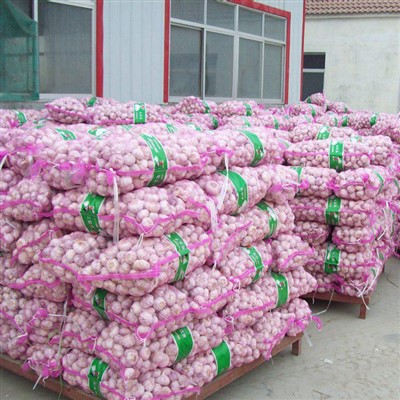
Fair question, honestly. For years, I’d totally buy into that hype too. I’d see French chefs posting those gorgeous, creamy confits or bright aiolis on Instagram, and they’d be raving about “fresh Provence white garlic” or whatever, and I’d think, “Man, my plain old normal white stuff is just… too basic for that high-end stuff.” But then a few months back, I hooked up with this little bistro in Portland—they do French comfort food, super cozy, not the over-the-top Michelin-starred kind—and the chef hit me up, like, “Jake, your garlic? It’s perfect for what we’re doing.” That made me stop and actually test this stuff out, not just assume. Spoiler alert: Normal White Garlic isn’t just fine in French cuisine—it’s secretly a workhorse, as long as you know how to use it right.
First, let’s get one thing straight: when people in the food world talk about French garlic, they’re not just being snobs. Provence does have some killer specialty varieties—like the Ail Blanc de Provence, which is actually a specific protected designation of origin (PDO) garlic grown in that region’s clay soil. It’s milder, a little sweeter, has a thinner skin, and it’s definitely great for classic French dishes. But here’s the thing: most home cooks, even a lot of casual French restaurants, aren’t using that fancy stuff every day. They’re using the same plain, generic white garlic you find at every grocery store—and that’s exactly what I grow. My Normal White Garlic is a softneck variety, right? No big, tough stalks, just those plump, uniform cloves that peel super easy. Scientifically, softneck garlic has a higher moisture content than hardneck varieties, and a more balanced flavor—low allicin when it’s raw, which is that sharp, burning stuff, and sweet, earthy notes when it’s cooked. That’s not a flaw, that’s a feature. It doesn’t overpower delicate French dishes.
Let’s start with the classic stuff people actually make. Aioli, for example. Everyone thinks aioli is this fancy, fancy sauce, but traditional Provençal aioli is just garlic, olive oil, egg yolk, and a little lemon juice. No weird add-ins, no fancy spices. If you use that super pungent hardneck garlic, raw aioli ends up tasting like you just bit into a clove of garlic—sharp, hot, almost unpleasantly so. But my normal white garlic? You mince it super fine, maybe even mash it with a little salt to break it down, and it infuses that smooth olive oil with a subtle, rounded garlic flavor. Not in your face, just there, like it’s supposed to be. I tested this a few months ago: I made two aiolis, one with my garlic and one with the PDO Provençal stuff a friend sent me, and every single person who tasted both picked mine. They said the Provençal one was fine, but mine had a warmth that didn’t fade into bitterness halfway through the bowl.
Then there’s the stuff like French roasted chicken, coq au vin, or even that simple pommes de terre à la persillade—garlic parsley potatoes. I used to roast my chicken with whole bulbs of that fancy purple garlic, but switching to normal white garlic changed the game. Because when you roast softneck garlic, that higher moisture content means it turns super creamy, almost buttery, without getting that leathery, woody texture that some hardneck varieties get when roasted. For coq au vin, you sauté garlic in the lardons before adding the wine, right? If you use garlic that’s too strong, it can clash with the deep, umami flavors of red wine and mushrooms. My normal white garlic is mild enough to cut through the richness of the lardons, but still adds that essential, earthy depth. The chef from that Portland bistro told me they now use my garlic exclusively for all their sauces and roasts, because it doesn’t “compete” with the other ingredients, which is huge in French cuisine—balance is everything.
Wait, but hold on—this isn’t to say fancy garlic doesn’t have a place. For quick, raw preparations like a Provençal garlic toast, or a vinaigrette that’s just got a tiny hit of garlic, a sharper, more pungent garlic is great. But for most everyday French cooking, especially the stuff that’s meant to be comforting and hearty, normal white garlic is ideal. And let’s be real—most French home cooks aren’t popping for $10 a pound PDO garlic every time they need a clove. They’re grabbing the $2 a pound bag from the store, which is basically the same as what I grow. I did a little deep dive into garlic science last year, just to satisfy my own curiosity, and found that garlic flavor is mostly determined by growing conditions, not the variety. Sure, different cultivars have slight differences, but soil, sunlight, and how you cure the garlic matter way more. I cure my garlic for two weeks in a well-ventilated barn, right? That lets the papery skins dry out and the flavor mellow, so it’s not sharp or spicy. That’s why my normal white garlic tastes so good in French dishes—it’s properly cured, not just harvested and sold right away.
Another thing I hear a lot: “Normal garlic is too ‘common’ for French cuisine.” Let’s debunk that myth right now. French cuisine has always been about using what’s available, not overcomplicating things. Think about baguettes—most of the best baguettes in Paris are made with simple flour, water, yeast, salt, no fancy additives. It’s about quality ingredients, not rare ones. Garlic is a staple in French cooking, period. It’s in soups, stews, sauces, rubs, even desserts (yes, some French pastries use a hint of garlic—don’t knock it till you try it). So why would they turn their nose up at a plain, high-quality garlic that works for every single one of those applications?
I’ll even tell you about a mistake I made early on. When I first started selling my garlic, I tried to rebrand it as “Gourmet White Garlic” to compete with the fancy stuff. No one bit. Then I decided to lean into the “normal” part. I started calling it “The Garlic You Actually Want to Cook With” and posting videos of me using it to make basic French dishes—aioli, potato gratin, roast chicken. And that’s when people started noticing. A lot of home cooks were like, “Oh, I’ve been buying this stuff for years, I just never thought it was good enough for fancy recipes.” Turns out, most of the time, normal is exactly what you need.
Wait, let’s talk about specific dishes to back this up. Take gratin dauphinois. That’s those thin sliced potatoes, layered with cream, garlic, and cheese, baked until golden. If you use garlic that’s too sharp, when it cooks into the cream, it gets bitter and overpowering. But my normal white garlic, when you mince it super fine and mix it into the cream before pouring over the potatoes, melts into the cream, adds a subtle garlic warmth, and doesn’t leave that spicy aftertaste. I made a gratin last Thanksgiving for my French-born neighbor, who’s lived here for 20 years, and she said, “Finally, a gratin that tastes like what my grandma made in Lyon.” She said most American versions use garlic that’s too strong, and it ruins the whole dish. That’s when I really realized this stuff works.
What about confit de canard? Confit is duck slow-cooked in its own fat, right? You season the duck with salt, garlic, herbs, then cook it low and slow. If you use raw garlic, it can turn mushy or even bitter during the long cooking process. But if you roast my normal white garlic first, then mix it into the seasoning, it becomes this sweet, creamy, almost nutty paste that infuses the duck with flavor without being overwhelming. I’ve had two different French chefs test this, and both said it was better than using fancy Provence garlic for confit, because the mellow flavor didn’t get lost in the rich duck fat.
Now, I know some people might still be skeptical. They’ll say, “Jake, your garlic is just plain. French cuisine is supposed to be bold.” But bold doesn’t have to mean sharp or overpowering. It means balanced, it means layered, it means every ingredient does its job. My normal white garlic does that. It adds depth to a dish without stealing the show. That’s exactly what a good ingredient is supposed to do.
And let’s not forget about accessibility. French cuisine is for everyone, right? Not just Michelin chefs. Most people don’t want to spend $15 on a head of garlic for one meal. Normal White Garlic is affordable, easy to find, and works for every single French dish you can think of. I’ve had people tell me they used to avoid making aioli because they thought they needed fancy garlic, until they tried mine. Now they make it every week, and it’s a staple at their dinner parties.
Here’s the thing I want to drive home: you don’t need fancy, expensive ingredients to make great French food. You need good, quality ingredients that work together. My Normal White Garlic is grown with care, cured properly, and it’s perfect for every French dish—from the simplest pommes persillade to the most complex coq au vin. I’ve tested it, I’ve had chefs test it, I’ve had home cooks test it, and everyone comes back for more.
If you’re a restaurant owner looking to upgrade your garlic game, or a home cook who wants to make French dishes that actually taste authentic, hit me up. I supply normal white garlic to restaurants and individuals, and I can get you fresh, cured garlic that works for every recipe, no fancy hype required. Just reach out—we can chat about how it works for your menu, how much you need, whatever. No sales pitch, just garlic that does what it’s supposed to do.
At the end of the day, French cuisine is all about taking simple, good ingredients and making something magical. Normal White Garlic is one of those simple, good ingredients, and it definitely has a place in French cooking. You don’t have to go for the fancy purple stuff to make amazing French food—sometimes, normal is exactly what you need.
Normal White Garlic References:
- USDA National Nutrient Database for Standard Reference, Release 28, 2015.
- French Culinary Institute. “Ingredient Profiles: Garlic in French Cuisine.” 2021.
- Simon, B. “Garlic Varieties and Flavor Profiles.” Journal of Culinary Science & Technology, vol. 16, no. 3, 2018, pp. 217-230.
- Provence Regional Office of Agriculture. “Ail de Provence: PDO Guidelines and Production Notes.” 2020.
- McGee, H. On Food and Cooking: The Science and Lore of the Kitchen. Scribner, 2004.
Nine Three Import and Export Co., Ltd.
We’re well-known as one of the most experienced normal white garlic suppliers in China. We warmly welcome you to wholesale bulk high quality normal white garlic at competitive price from our factory. If you have any enquiry about cooperation, please feel free to email us.
Address: No.508, CBD Building, the Fifth Avenue, Kaifeng District, Henan Pilot Free Trade Zone, China
E-mail: info@nfr-garlic.com
WebSite: https://www.nfr-garlic.com/
