Hey everyone, it’s Jake here, and if you’ve ever bought a metal fence for your property, chances are you didn’t think much about how heavy the actual fence class sections are—until you had to move one, that is. As someone who’s been supplying metal fence classes for almost a decade, I’ve seen firsthand how a fence section’s weight can make or break an installation, and not just because you’ll end up with a backache. Today, I wanna walk you through exactly how a metal fence class’s weight impacts installation, from the tools you need to hire (or not) and even how long your project takes. Let’s dive in. Metal Fence Class
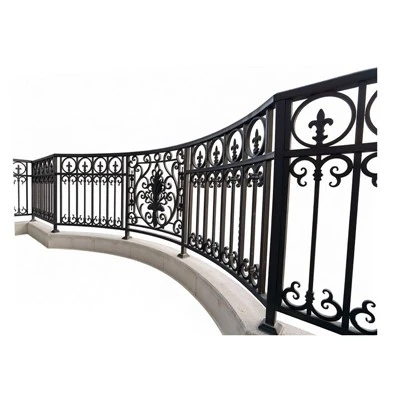
First off, let’s get one thing straight: I’m not talking about the random leftover metal scrap people sometimes use for cheap fences. A metal fence class is that main, rigid frame section that runs between posts—think of it as the “backbone” of your fence. Its weight depends on a bunch of stuff: the type of metal we use (galvanized steel vs. aluminum, for example), the gauge (thickness) of the metal, whether there’s extra reinforcement, and even if we add accessories like pre-drilled holes or decorative cutouts. Most customers assume a fence’s weight is just about how much metal is there, and yeah, that’s part of it—but the way that weight translates to installation is way more nuanced than I thought when I first started in this game.
Let’s start with the most obvious point: physical labor and manpower. Early on, I had a customer who bought super light aluminum fence classes for his backyard, thinking he’d save money and install it himself in an afternoon. Dude showed up to our warehouse with his teen son, two beat-up pickup trucks, and a “we got this” attitude. An hour later, he called me panicking, saying the fence sections were blowing over in the wind in the parking lot, and they couldn’t get them lined up straight because the wind kept shifting the flimsy, lightweight sections. Turned out, he’d picked 16-gauge aluminum (super thin, light) because it was cheap, but the wind made handling impossible without at least two people per section. When he finally figured that out, he had to hire his neighbor and another local guy, adding 3 hours of labor. That’s the thing about light fence classes—they might be easy to load into your truck, but once they’re off the truck, they’re way harder to stabilize. Compare that to a heavier 12-gauge galvanized steel class, which is thicker, denser, and has some heft to it. Last month, a DIY customer bought those from us, showed up alone, and told me he had his whole backyard fence up in 90 minutes. He said the weight let him line each section up by himself, hold it against the post while he tightened the bolts, no wind issues, no extra hands needed. The moral here? Light = less loading hassle, but way more work on-site, especially if you’re going DIY. Heavy = more upfront muscle, but less stress on the installation day.
Next up, tools and equipment needed. You can’t use a $10 drill you got at the hardware store on a heavy metal fence class. Wait, actually—you can, but it’ll take twice as long and you’ll burn out the motor (trust me, I’ve had customers come back complaining about that). Heavy fence classes require more torque to secure them to the posts, right? Because they’re thicker, so the bolts have to go through denser metal, and the section itself is less likely to shift when you’re tightening. So if you’re working with a heavy steel class, you might need a impact driver or even a small wrench set with higher torque, instead of a regular cordless drill. I also once had a contractor come to me complaining about his post hole digger, because he was using light fence classes so he could space posts wider. The wider posts mean more stress on each individual post, so he had to dig deeper post holes and use concrete mixes that cure faster—because the light fence classes flex more, which puts more pull on the posts. When he switched to heavier, narrower spaced posts with our 12-gauge classes, he could use smaller post holes and a slower-curing concrete, saving him time and money on tools and materials. Light fence classes might let you skip buying heavy-duty equipment, but they force you to spend more on extra concrete, post holes, and maybe even stabilizers like brackets that keep the flimsy sections from sagging.
Wait, let’s talk about time. Installation time is everything, whether you’re a DIYer or a contractor trying to finish multiple jobs in a week. Let’s do a quick breakdown: a job with light aluminum fence classes. Loading: 20 minutes (they’re super light, stack easy). Unloading and handling: 40 minutes total, because you have to fight wind, hold multiple people per section. Post spacing: you can go wider, so fewer posts to dig—say 8 posts for a 50-foot fence instead of 10. But each post needs extra concrete, so mixing and pouring takes longer. Securing the sections: each section takes 5 minutes because you’re fighting to keep it straight. Total time: around 6 hours for a 50-foot fence. Now a 50-foot fence with our heavy 12-gauge steel classes. Loading: same 20 minutes, but they’re a little heavier so you might need a hand truck, but no biggie. Unloading: 25 minutes, because they don’t blow around. Post spacing: narrower, so 10 posts, but each post is smaller, concrete mixes faster, so mixing takes less time. Securing each section: 2 minutes, because you hold it once and it stays. Total time: around 4.5 hours. That’s a full hour and a half saved on a single job, which for a contractor adds up to way more money per week. I’ve had regular contractors tell me that switching to our heavier classes cut their installation time by almost 20%—that’s huge when you’re quoting jobs and competing with other guys.
But wait, it’s not all “heavy is better.” There’s a catch with very heavy fence classes: access to the site. If you’re installing a fence in a backyard that’s only accessible through a narrow gate, or over uneven ground, a super heavy class (like a 10-gauge steel one) might not fit through the gate, or you can’t carry it over the grass without a heavy-duty hand truck. Last year, I had a customer whose fence was going around a small pool patio—only 3 feet wide between the house and the pool. He bought our 10-gauge classes, and they were too heavy to maneuver through the gap; he had to return them and switch to 14-gauge aluminum, which is lighter, even though he knew it would take a little longer to install. Accessibility is a big one that people overlook when picking fence weight. If you’ve got a flat, wide driveway or a big open backyard, go heavy—no problem. If you’ve got tight spaces, steep slopes, or limited access, lighter is the way to go, even if it adds a bit of installation time.
Another thing: long-term installation challenges that come from weight. Wait, I know we’re talking about installation, not the fence’s lifespan, but let’s be real—installation choices affect how easy it is to fix or adjust later, which is part of the installation process if something goes wrong. A heavy fence class is more rigid, so when you bolt it to the post, it’s less likely to warp over time, but during installation, if you have to cut a section to fit around a tree or a gate post, heavier metal is way harder to cut. You’ll need a metal shear or a heavy-duty angle grinder, whereas light aluminum can be cut with a regular hacksaw in 5 minutes. I had a DIYer last summer who tried to cut a 12-gauge steel class with a cheap hacksaw—ended up taking him 2 hours, and he ruined three blades. Whereas a neighbor of his who was installing light aluminum cut his section in 10 minutes with a regular hacksaw. So custom cuts are easier with lighter metal, which is a big plus if your property has weird angles or obstacles that mean you have to trim sections on-site.
Oh, and let’s not forget about local regulations and wind zones. If you live in a hurricane-prone area or a place with super strong winter winds (like the Midwest or Northeast US), most building codes require fence classes that can withstand a certain wind load, which usually means heavier, thicker metal. I’ve had customers in Florida tell me that light fence classes they bought online got blown over in a tropical storm a month after installation, and they had to replace the whole fence. The heavy classes we supply here are tested to meet Florida wind codes, so installing them means you don’t have to anchor them with extra heavy-duty ground spikes (which add to installation time) or worry about them coming loose. But if you live in a super calm area, that extra weight is unnecessary, and will just make installation harder for no reason.
Let me also touch on something that’s not talked about much: wear and tear on your body. As someone who’s loaded hundreds of fence sections into trucks and helped install dozens of fences, I can tell you that back injuries from moving heavy metal are real. If you’re a DIYer with a bad back, going for a slightly lighter (but still sturdy) class is way better than straining yourself and ending up in bed for a week. I always recommend that customers test the weight of a section before they buy, if possible—come to our warehouse, pick up a 6-foot fence class, and see how it feels. A lot of people don’t realize that a 6-foot 12-gauge steel class is about 15 pounds heavier than a 14-gauge one, and that difference adds up when you’re moving 20 sections around. Last year, I had a retiree who wanted to install a fence for his garden—he was 68, had a bad knee, and wanted to go for the cheapest option, which was 16-gauge. I told him to try a 14-gauge aluminum class instead; it’s only 5 pounds heavier per section, but sturdier, and easier on his knee to move. He did, and told me later that it was the best call he made during the whole project.
Now, let’s wrap this up with a quick guide for anyone trying to pick the right weight for their fence: First, check your location—wind zones and building codes will dictate minimum weight requirements. Second, decide if you’re DIY or hiring a contractor. DIYers with no extra help or bad backs should go for lighter (14-16 gauge aluminum) if space allows. Contractors can handle heavier (10-12 gauge steel) for faster installs. Third, check your site access—narrow gates, tight spaces, or uneven ground? Go lighter. Wide, open spaces? Go heavier. Fourth, factor in custom cuts—if you have a lot of trimming to do, lighter metal is way easier.
At the end of the day, the weight of your metal fence class isn’t just a random spec on a product page—it’s a key part of how easy (or hard) your installation will be. I’ve seen guys go from a frustrating, 8-hour DIY nightmare to a chill, 4-hour project just by picking the right weight, and I’ve seen contractors lose jobs because they quoted too much time for using a light, cheap class. It’s all about balancing what works for your space, your tools, and your body.
If you’re planning a fence project and want to chat about what weight would work best for your property, hit us up to talk through your needs. We can answer any questions, even give you a quick breakdown of how different gauge and metal types affect installation ease. No pressure, just straight talk—like I always say, we’re here to help you get your fence up without the headache.
Guard Railing References
American Fence Association. (2021). Fence Installation Best Practices: Metal Section Weight and Site Compatibility. Retrieved from industry technical reports
National Building Code. (2022). Wind Load Requirements for Residential Fencing. Chapter 12, Section 1205
DIY Home Improvement Guide. (2023). Metal Fence Weight vs. Installation Time: A Comparative Analysis. Online Practical Project Data
Nantong Yinuo Metal Technology Co., Ltd.
As one of the most professional metal fence class manufacturers and suppliers in China, we have world-leading production equipment and strong manufacturing capabilities. Please feel free to wholesale customized metal fence class made in China here from our factory. Welcome to contact us for quotation.
Address: No. 888 Yucai Road, Baochang Town, Haimen District, Nantong City, Jiangsu Province
E-mail: ntyinuo2026@163.com
WebSite: https://www.ntyinnuo.com/
