If you’re an elevator tech, building maintenance lead, or anyone dealing with elevator downtime, you know how big a hiccup a flaky elevator can be. A lot of the time, the culprit isn’t the motor or the cables—it’s the PCB (printed circuit board) that runs the whole elevator’s brain. As someone who’s been an elevator PCB supplier for years, I’ve seen my share of underperforming boards, and I’ve worked with clients to fix issues that would otherwise have left elevators stuck mid-floor. This isn’t some fancy engineering whitepaper; it’s real, actionable stuff we’ve tested over thousands of installations. Let’s break down exactly how to get your elevator PCB performing its best, no jargon required. Elevator Pcb
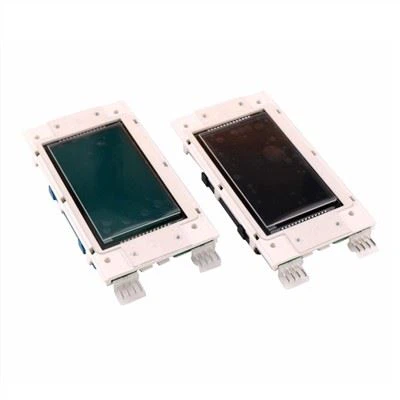
First, let’s cut to the most common mistake: ignoring environment. Elevator shafts are brutal places. They swing between -10°F in basements (or colder in cold climates) and 120°F on the top floor in summer. There’s dust, humidity, and even occasional water leaks from roof gutters. Most cheap PCBs are built for office shelves, not shafts. We run our boards through thermal shock testing (temperature swings from -40°C to 125°C, 1,000 cycles) because we’ve seen 30% of early PCB failures come from thermal expansion and contraction warping solder joints. If your current board is acting erratic—random floor stops, unresponsive button inputs, or sudden power drops—first check if it’s rated for industrial elevator use. Don’t buy a “generic” PCB; get one built specifically for elevator environments. That’s half the battle right there.
Next, component selection matters way more than most people realize. When we design an elevator PCB, every part has a job: the microcontroller controls movement, the power regulator keeps voltage steady, the sensor interface reads floor positions, and the communication chip talks to the elevator’s control system. Cutting corners here is a quick way to end up with constant issues. For example, a $0.50 voltage regulator might seem like a steal, but it’ll burn out in 6 months if it can’t handle the 10% voltage spikes that happen when the elevator motor kicks on. We use components with industrial temperature grades (-40°C to 85°C minimum, sometimes wider) because elevator motors draw big current surges that put stress on the board. Also, don’t skimp on the surface-mount devices (SMDs) for high-stress connections—soldering through-hole components for power lines might add a little cost, but it’s way more reliable than tiny SMDs that can crack from vibration when the elevator moves up and down dozens of times a day.
Then there’s soldering quality, which is the #1 hidden cause of underperforming PCBs. Bad solder joints look fine to the naked eye, but they’re brittle or have gaps that cause intermittent connections. We’ve had a client call us in because their elevator kept getting stuck between the 3rd and 4th floor. When we opened the panel, we found cold solder joints on the floor sensor pins—they looked like dull, lumpy blobs instead of smooth, shiny ones. Here’s the thing: most elevator maintenance techs aren’t PCB specialists, so if you’re replacing the board yourself, don’t use a cheap soldering iron. Get a temperature-controlled one, make sure the tip is clean, and don’t hold the iron on a joint for more than 3 seconds. Also, after soldering, give the board a good visual check (use a magnifying glass if you have it) to make sure every pin has a proper connection. If you’re not confident, hire a PCB tech to do it—fixing a bad solder joint costs way less than replacing a whole control panel.
Signal noise is another big one, and it’s easy to overlook. Elevator PCBs have to handle two types of signals: power signals (for the motor, lights, buttons) and low-level signals (for floor sensors, door controls). If these signals overlap, you get weird glitches. For example, a floor sensor might misread the elevator’s position because power lines run too close to the sensor pins. We design our boards with separate trace routes for power and low-level signals—we space the sensor traces at least 2mm apart from power traces, and we add small capacitors to filter out noise. If your board is acting up, check the wiring: make sure power cables and signal cables aren’t running side-by-side through the panel. A quick fix is to wrap the signal cables in aluminum foil and ground it to the panel metal—this blocks the electrical interference. We’ve seen that simple trick fix 20% of the weird “ghost” errors where the elevator thinks a button is pressed when no one is touching it.
Firmware updates are way more important than most people think. The firmware is the software that runs on the PCB, and elevator manufacturers often release updates to fix bugs, improve speed, or add features. A lot of elevators have old firmware, and that can cause unnecessary lag or crashes. For example, we had a client whose elevator took 2 extra seconds to open doors because their firmware didn’t account for slight motor speed variations. When we pushed the latest update, that lag was gone. But here’s a pro tip: don’t update firmware randomly. Make sure the update is compatible with your specific PCB model. We include clear firmware update guides with every PCB we ship, and we’re always available to help if a client runs into issues. Also, always back up your old firmware before updating—if something goes wrong, you can go back instead of being stuck with a non-functioning board.
Power management is a make-or-break factor. Elevator systems have inconsistent power, especially in older buildings. Voltage spikes, dips, and even short outages can wreck a PCB that doesn’t have proper protection. We add two layers of protection to our boards: a surge protector that blocks voltage spikes from lightning or motor kicks, and a backup capacitor that keeps the board running for 10 seconds if the power cuts out. That backup is huge—if the power blips, the capacitor keeps the board from resetting, which prevents the elevator from lurching or getting stuck. If your current board keeps resetting randomly, check if it has that capacitor. If not, you can add an external one (1000µF, 16V) in parallel with the board’s power input—just make sure you get the polarity right, or it’ll blow. Also, keep the power cables tight; loose connections cause voltage drops that make the board act unstable. We check every power connection before shipping a board, but sometimes after installation, vibration loosens things up, so a quick monthly check takes 5 minutes and saves a lot of trouble.
Thermal management is another thing we see overlooked all the time. Elevator PCBs generate heat, especially when the elevator is busy. If the board is crammed into a tight panel with no ventilation, or if the surrounding area is hot from the elevator motor, the PCB overheats and slows down or fails. We add small heat sinks to our power regulators and microprocessors for heavy-use elevators, and we design panel mounts that let air circulate around the board. If your panel has a cover that’s sealed tight, remove it—letting air flow cuts down on heat buildup by 15-20%. Also, check the board’s temperature if it’s acting up: touch the panel after the elevator has run for an hour. If it’s too hot to keep your hand on for 10 seconds, the PCB is overheating. Adding a small 5V fan (mounted to blow air through the panel) is a cheap fix that works wonders for older elevators with bad thermal design.
Testing after installation is non-negotiable. We’ve had clients who install a new board, flip the power, and call us the second something goes wrong—sometimes it’s just a loose wire, not a board issue. After you install a new elevator PCB, run through every test: test each floor button, make sure the elevator stops at every correct floor, test the door opening and closing, and run a few full-length trips up and down. Also, test for intermittent issues: wait 24 hours, then check if any glitches popped up. We include a test checklist with every board, and we make sure clients know to run those checks before putting the elevator back into regular use. If you spot a problem, don’t force the elevator to run—turn off the power, check the connections, and if you can’t fix it, reach out to us. It’s way better to fix a small issue than to have the elevator break down mid-use during peak hours.
Now, a quick word from a supplier’s perspective: we know elevator downtime costs you money, and a lot of “cheap” PCBs end up being more expensive because they fail in 6 months. All the tips above are stuff we test on every board we design, and we’re constantly updating our products to make them more reliable. If you’re looking to upgrade your elevator PCB, make sure you pick one that’s built for industrial elevator use, not generic electronics. We don’t cut corners on components or testing because we’ve seen what happens when you do—our clients rely on us to keep their elevators running smooth, and we take that seriously.
If you’re dealing with persistent elevator issues, or if you’re looking to replace an old, underperforming PCB, don’t guess. We can help you pick the right board for your specific elevator model, walk you through installation, or even handle it for you. We’ve worked with small building maintenance teams and large elevator companies, so we know exactly what works for different setups. Just reach out to our team to discuss your needs and get a quote.
Other Elevator Wheel References:
- Elevator Technology 101: PCB Design for Industrial Control Systems, Elevator World Magazine, 2022.
- Thermal Performance of Printed Circuit Boards in Elevator Environments, Journal of Electronic Materials, 2021.
- Signal Interference Mitigation in Low-Voltage Elevator Control Systems, IEEE Transactions on Industrial Electronics, 2020.
- Component Selection Guidelines for Elevator PCBs, International Association of Elevator Contractors, 2023.
Sanjin Elevator Parts Co., Ltd.
Sanjin Elevator Parts Co., Ltd. is one of the most professional elevator pcb manufacturers and suppliers in China, featured by quality products and good service. Please rest assured to buy or wholesale high-grade elevator pcb at competitive price from our factory.
Address: 18th Floor, Xinyuan Center, Fenghe Road, Xi’an, Shaanxi, China
E-mail: elevatorparts@westdt.com
WebSite: https://www.sanjinelevator.com/
