As a supplier of vegetable capsules, I understand the importance of proper storage to maintain the quality and integrity of these products. Vegetable capsules are a popular choice for encapsulating various substances, including supplements, medications, and herbal extracts, due to their natural origin and compatibility with a wide range of formulations. However, improper storage can lead to issues such as capsule degradation, moisture absorption, and microbial contamination, which can compromise the efficacy and safety of the encapsulated contents. In this blog post, I will share some best practices for storing empty vegetable capsules to ensure their long-term stability and quality. Vegetable Capsules
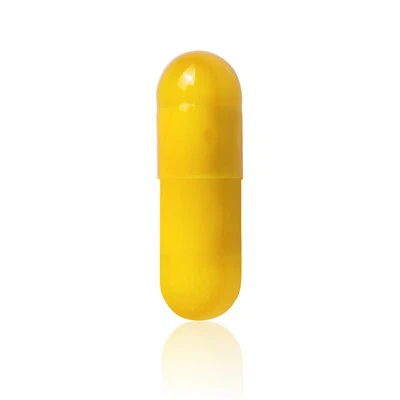
Understanding the Composition of Vegetable Capsules
Before delving into storage recommendations, it’s essential to understand the composition of vegetable capsules. Vegetable capsules are typically made from plant-based materials such as hydroxypropyl methylcellulose (HPMC) or pullulan. These materials are derived from natural sources and offer several advantages over traditional gelatin capsules, including vegetarian and vegan compatibility, better stability in acidic environments, and reduced risk of allergic reactions.
However, vegetable capsules are also more susceptible to moisture and temperature fluctuations compared to gelatin capsules. HPMC capsules, for example, can absorb moisture from the environment, which can cause them to become soft, sticky, or even dissolve. Pullulan capsules are also sensitive to moisture and can become brittle if exposed to low humidity conditions. Therefore, proper storage is crucial to prevent these issues and maintain the quality of the capsules.
Ideal Storage Conditions
The ideal storage conditions for empty vegetable capsules are cool, dry, and dark. Here are some specific recommendations:
Temperature
The recommended storage temperature for vegetable capsules is between 20°C and 25°C (68°F and 77°F). Avoid storing the capsules in areas that are subject to extreme temperature fluctuations, such as near heaters, air conditioners, or direct sunlight. High temperatures can cause the capsules to soften, deform, or even melt, while low temperatures can make them brittle and prone to cracking.
Humidity
Humidity is one of the most critical factors in capsule storage. Vegetable capsules should be stored in an environment with a relative humidity (RH) of 30% to 50%. High humidity can cause the capsules to absorb moisture, leading to softening, sticking, and microbial growth. On the other hand, low humidity can cause the capsules to become dry and brittle. To maintain the appropriate humidity level, you can use a dehumidifier or a humidity-controlled storage cabinet.
Light
Vegetable capsules should be stored in a dark place to protect them from light. Exposure to light, especially ultraviolet (UV) light, can cause the capsules to degrade and lose their integrity. Store the capsules in opaque containers or in a storage area that is shielded from light.
Storage Containers
The choice of storage container is also important for maintaining the quality of vegetable capsules. Here are some recommendations:
Material
Choose a storage container made of a material that is resistant to moisture and light. Glass containers are a good option because they are impermeable to moisture and can be easily cleaned and sterilized. Plastic containers can also be used, but make sure they are made of a high-quality, food-grade plastic that is resistant to moisture and light.
Seal
The storage container should have a tight-fitting seal to prevent moisture and air from entering. This will help to maintain the quality of the capsules and prevent them from drying out or absorbing moisture.
Labeling
Label the storage container with the name of the capsules, the date of purchase, and any other relevant information. This will help you to keep track of the capsules and ensure that you use them before their expiration date.
Handling and Transport
Proper handling and transport are also important to ensure the quality of vegetable capsules. Here are some recommendations:
Handling
When handling vegetable capsules, make sure your hands are clean and dry. Avoid touching the capsules with wet or dirty hands, as this can transfer moisture and contaminants to the capsules.
Transport
When transporting vegetable capsules, make sure they are packed in a protective container to prevent them from being damaged. Use a shipping box that is lined with cushioning material to absorb any shocks or vibrations during transit. Avoid exposing the capsules to extreme temperatures or humidity during transport.
Monitoring and Quality Control
Regular monitoring and quality control are essential to ensure the long-term stability and quality of vegetable capsules. Here are some recommendations:
Visual Inspection
Regularly inspect the capsules for any signs of damage, such as cracks, chips, or discoloration. If you notice any issues, discard the affected capsules immediately.
Moisture Content
Periodically measure the moisture content of the capsules using a moisture meter. The moisture content should be within the recommended range of 6% to 10%. If the moisture content is too high, you may need to take steps to reduce the humidity in the storage environment.
Shelf Life
Keep track of the shelf life of the capsules and use them before their expiration date. The shelf life of vegetable capsules can vary depending on the storage conditions and the type of capsule. Generally, vegetable capsules have a shelf life of 12 to 24 months.
Conclusion
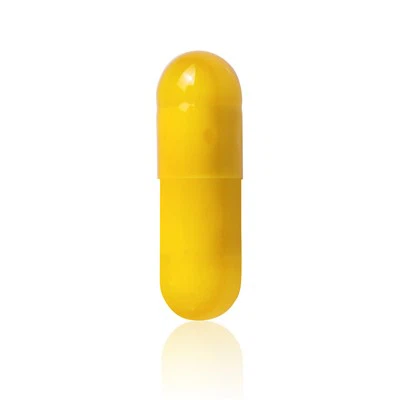
Proper storage is crucial to maintain the quality and integrity of empty vegetable capsules. By following the recommendations outlined in this blog post, you can ensure that your vegetable capsules remain in good condition and are suitable for use in your formulations. Remember to store the capsules in a cool, dry, and dark place, use a suitable storage container, and handle and transport them with care. Regular monitoring and quality control are also essential to ensure the long-term stability and quality of the capsules.
HPMC Capsules If you are interested in purchasing high-quality vegetable capsules for your business, please feel free to contact us to discuss your specific requirements. We offer a wide range of vegetable capsules in different sizes and specifications to meet your needs. Our capsules are made from the highest quality materials and are manufactured to strict quality standards to ensure their safety and efficacy.
References
- Pharmaceutical Capsules: Technology and Performance, Second Edition, edited by J. T. Carstensen and M. E. Augsburger
- Handbook of Pharmaceutical Excipients, Sixth Edition, edited by Raymond C. Rowe, Paul J. Sheskey, and Sian C. Owen
- Vegetable Capsules: A Review of Their Properties and Applications, by J. M. G. Cowie and A. J. Hill
Hubei Kornnac Pharmaceutical Co., Ltd.
Hubei Kornnac Pharmaceutical Co., Ltd. is one of the most professional vegetable capsules manufacturers and suppliers in China, specialized in providing high quality OEM service. Welcome you to buy bulk customized vegetable capsules at competitive price from our factory. Also, samples are available.
Address: No.439 Hebei Avenue, Chibi, Hubei Province, 437300, China.
E-mail: service@kornnaccaps.com
WebSite: https://www.kornnaccaps.com/
