As a supplier of food automatic packing machines, I’ve spent the last 12 years walking alongside small-batch bakeries, regional snack manufacturers, and mid-sized frozen food processors through every step of upgrading their packaging lines. I’ve seen a bakery waste $18,000 a year on manual packing errors because they grabbed the wrong bag size; I’ve watched a frozen veggie brand fall behind on grocery store deadlines because they bought a machine built for large-scale cereal. Choosing the right food packing machine isn’t just about checking a box—it’s about aligning the equipment with your product, your operation, and your long-term goals. Today, I’m pulling back the curtain on the questions I ask every client to make sure they don’t make the same costly mistakes. Food Automatic Packing Machine
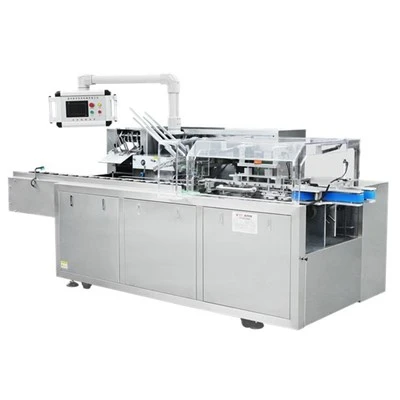
First, let’s talk non-negotiables for your product. Food packing isn’t a one-size-fits-all industry, and the first misstep most businesses make is treating their product as generic. If you’re packing loose, crispy tortilla chips, your machine needs to handle fragile, irregular shapes without breaking them during feeding and sealing. The best machines for this use a multi-head weigher with gentle, low-friction chutes and vibration-controlled dosing—something I’ve built into our mid-range line specifically for snack brands. But if you’re packing dense, uniform items like pre-portioned granola bars or frozen burger patties, you’ll want a machine with a linear weigher or a tray-based filling system, which delivers precision and minimizes product waste.
Then there are perishables and specialty foods, which carry extra regulatory and handling requirements. Fresh produce, for example, often needs modified atmosphere packaging (MAP) to extend shelf life by controlling oxygen and carbon dioxide levels. A standard vertical form-fill-seal (VFFS) machine won’t integrate MAP easily, so you’ll need a model with a dedicated gas flushing module—something to ask about upfront, not as an afterthought. For liquid or semi-liquid products like yogurt cups, salad dressings, or jams, you need a machine with volumetric filling nozzles calibrated for viscous substances; if you use a generic powder filler for a thick sauce, you’ll get inconsistent fill weights and messy, leaking packages. I once had a jam manufacturer try to repurpose a coffee powder filler, and they ended up wasting 22% of their product in a month—enough to cover a $3,500 machine upgrade in just three weeks. That’s the kind of cost you can avoid by matching machine design to your product’s physical properties.
Next, scale and throughput. This is where I see the biggest disconnect between what businesses think they need and what they actually need. Too many small operations look at a high-speed machine built for national brands and think, “If I buy this, I’ll grow faster.” But a machine that can pack 120 bags a minute might be overkill for a 5,000-unit monthly production run, and it’ll also cost 3x more than a machine built for 25 units a minute. The sweet spot here is aligning throughput with your current order volume and your 12-month growth projection. If you’re a craft bakery now doing 20,000 pastries a month but planning to launch in 5 local grocery stores in a year, a machine with a 40-unit-per-minute capacity will let you scale without upgrading immediately.
Don’t forget to account for downtime, too. High-speed machines require more maintenance, and if your team doesn’t have the technical skills to troubleshoot, even a top-of-the-line model will leave your line stalled. For small teams with one or two people running packaging, a semi-automatic machine might be a better call—you’ll get the efficiency of automation without the complexity, and your team won’t have to spend hours training on a system that’s over their head. I had a craft cookie company client who bought a fully automatic high-speed machine on a recommendation, and three months later, they were calling me crying because a sensor failed and no one on staff could fix it. They ended up renting a semi-automatic machine for $500 a week while we reconfigured their line, costing them more than the initial machine upgrade would have.
Then there’s packaging material compatibility, which ties directly to product quality and cost. Your machine has to work with the bags, films, or containers you already use, or that your retailers require. For example, if your grocery chain mandates recyclable paper bags instead of plastic, a machine built for polyethylene films won’t seal paper reliably. Seal strength is another factor: a bag that can’t hold up during shipping will lead to returns, especially for fragile or perishable goods. I always ask clients to bring a sample of their packaging material when we demo machines—running a test seal in person lets you spot issues like weak seals or material jams before you commit. Also, don’t forget long-term material costs. Some machines are designed for specific film types, and switching to a lower-cost, higher-quality film later might require a machine upgrade. Ask your supplier about material flexibility; the best machines can adapt to 2-3 common film types without major modifications.
Labor and operational fit is often overlooked until it’s too late. How many people do you have on your packaging team, and what’s their technical skill level? Fully automatic machines might run with just one operator, but they require regular cleaning (critical for food safety!) and occasional calibration. If your team is used to manual packing, a semi-automatic machine with intuitive controls will be a far better fit than a fully automatic model with 50 menu settings. Food safety is non-negotiable here, too. All food packing machines should meet local health regulations, like USDA or FDA standards in the U.S., or EU food safety rules. Look for machines with stainless steel construction, easy-to-disassemble parts for cleaning, and cGMP (current Good Manufacturing Practices) compliance. I’ve seen suppliers cut corners on this to lower prices, but a machine that doesn’t meet food safety rules will get your production shut down faster than any other mistake.
Total cost of ownership, not just upfront price. It’s easy to shop for the cheapest machine, but that’s a short-sighted move. Cheap machines often have higher maintenance costs, shorter lifespans, and higher waste rates. I calculate total cost of ownership (TCO) for every client, which includes: upfront purchase price, installation and training costs, maintenance and repair fees, energy use, and product waste. For example, a $10,000 machine with a 10-year lifespan and $500 a year in maintenance costs will have a lower TCO than a $7,000 machine that needs $1,200 a year in repairs and lasts 5 years. Energy use is a big one, too—fully automatic machines with variable speed drives use less energy than older, fixed-speed models, which can save you $1,000 a year on utility bills. Product waste is even more critical: a machine that has 1% product waste will cost you 10x more in lost goods than a machine with 0.1% waste, especially for high-value products like artisanal chocolates or premium nuts.
Now, let’s talk about the red flags to watch out for in suppliers. Any supplier that doesn’t ask about your specific product, throughput, or packaging needs isn’t trying to help—they’re just pushing a one-size-fits-all machine. A reputable supplier will offer on-site demos or virtual test runs where you can actually run your product through the machine. They’ll also provide references from businesses similar to yours, so you can ask about real-world performance, maintenance, and support. After-sales support is non-negotiable, too. If your machine breaks at 2 a.m. the night before a big order, you need someone who can send a technician or troubleshoot over the phone quickly. I make sure all my clients have a dedicated account manager and 24/7 support line, because I’ve seen too many small businesses lose big orders due to delayed service.
Once you’ve narrowed down your options, schedule a test run. Bring 5-10 pounds of your product, your packaging material, and a member of your packaging team who will actually operate the machine. Watch for jams, seal quality, and ease of use. Ask about customization: can the machine be adjusted if your product size changes later? Can you add a labeler or a date coder to the line? Most importantly, don’t rush the decision. The right machine should grow with your business, not become a liability after 6 months.
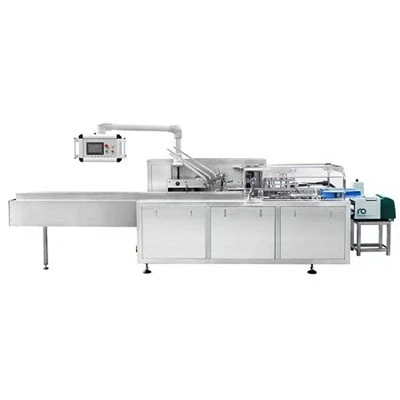
At the end of the day, choosing a food automatic packing machine is about balancing your current needs with your future goals. I’ve worked with so many clients who started with a small, simple machine and upgraded as their business grew, and others who tried to go big too soon and wasted thousands. The key is to be honest about what you need, ask the right questions, and partner with a supplier who will listen, not just sell. If you’re ready to stop guessing and start finding a machine that works for your food business, reach out to connect for a personalized consultation. We’ll walk through your product, your throughput, and your goals, and give you clear, actionable recommendations that fit your budget. Don’t let packing inefficiencies hold your business back—let’s find the right solution for you.
Food Bagging Machine References:
- Food and Agriculture Organization of the United Nations. (2021). Guidelines for Automatic Food Packaging Equipment Safety and Efficiency.
- National Food Processors Association. (2022). Total Cost of Ownership Models for Food Packaging Machinery.
- International Safe Transit Association. (2020). Packaging Material Compatibility Guidelines for Perishable Food Products.
- U.S. Food and Drug Administration. (2023). cGMP Requirements for Food Processing and Packaging Equipment.
- Snack Food Association. (2021). Packaging Solutions for Fragile, Irregularly Shaped Snack Products.
Zhejiang Tuoyu Packaging Machinery Co., Ltd.
Zhejiang Tuoyu Packaging Machinery Co., Ltd. is one of the most professional food automatic packing machine manufacturers and suppliers in China. With abundant experience, we warmly welcome you to wholesale durable food automatic packing machine made in China here from our factory. Good service and quality products are available.
Address: Workshop No.12, No.11-19, Xinbin Road, Binhai New Area, Pingyang County, Wenzhou City
E-mail: 15868789201@163.com
WebSite: https://www.tuoyupack.com/
