Hey everyone, if you’ve ever wandered through the narrow, bustling alleys of Ningxia’s old towns—think Yinchuan’s Drum Tower backstreets or Wuzhong’s night market corners—you’ve probably passed a stand with warm, flaky pastries drifting through the air, but never stopped to ask: what are those little gems, exactly? As a small-batch Traditional Chinese Pastries supplier based here, I’ve spent years digging into the region’s food roots, testing recipes passed down from my grandma and her neighbors, and I can tell you Ningxia’s pastries aren’t just “another Chinese snack”—they’re a messy, delicious mix of Hui Muslim culinary traditions, Silk Road influence, and super local ingredients you won’t find anywhere else. Let’s break down the ones you actually need to know, straight from someone who makes ’em every week. Traditional Chinese Pastries
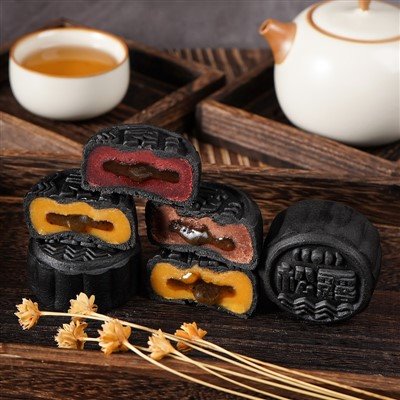
First up, the big one everyone first points to when you mention Ningxia pastries: Hua Sheng Su. Wait, no—wait, hold on, not the generic peanut crisp you find at grocery stores. This is Ningxia-style Hua Sheng Su, and it’s totally different. Let me clue you in: back in the day, Hui bakers here started making this during the Tang Dynasty (yeah, that old) because they needed a portable, filling snack for Silk Road traders. Instead of the store-bought version with way too much sugar and artificial peanut flavor, our local version uses roasted peanuts from Guyuan—you know, the dry, sunbaked hills of southern Ningxia, where peanuts get super nutty, no bitter aftertaste. The dough is a mix of lard (we use pork-free lard, obvi, for our Hui customers) and wheat flour, rolled thin, layered, then stuffed with crushed peanuts, a pinch of rock sugar, and a tiny bit of cinnamon. It’s baked until the layers puff up, so when you bite into it, it’s crumbly, not dense—like a melt-in-your-mouth peanut cookie but with way more texture. I once sent a sample to a supplier in Shanghai, and they wrote back saying it was “nothing like the bland stuff we get here.” Trust me, this is not your average peanut crisp.
Next, let’s talk You Tiao Bing, but don’t confuse it with the deep-fried dough sticks you get for breakfast. Ningxia’s You Tiao Bing is a pastry, not a breakfast side, and it’s been around since the Ming Dynasty, when Hui communities here adapted it for religious festivals and market days. The key twist? It’s stuffed. Traditional versions use mutton mince—from the lamb that grazes on Ningxia’s grasslands, so it’s super lean, not gamey—mixed with scallions, ginger, and a dash of five-spice powder, wrapped in a flaky, layered dough, then pan-fried until the outside is crispy and the inside is tender. But wait, we also make a vegetarian version for folks who don’t eat meat, using dried mushrooms from Liupan Mountain (those are wild, by the way, super aromatic). I remember my grandma making these for the Spring Festival every year, and kids would line up at our door, shouting “You Tiao Bing! You Tiao Bing!” before the oven even cooled. The best part? It’s portable—you can wrap it in paper and eat it on the go while you’re browsing the market. No utensils needed, which makes it perfect for nomad-style travel back in the day, and now for busy workers.
Then there’s something I fell in love with as a kid: Bai Tang Gao, but not the spongy rice cake you might know. This is Ningxia’s version, also called “Sugar Crisp Cake,” and it’s a sweet, chewy pastry with a history tied to Hui wedding traditions. Back in the old days, when a Hui couple got engaged, the bride’s family would send Bai Tang Gao to the groom’s family as a sign of sweetness and prosperity. Why? Because the main ingredient is white rock sugar, but the dough uses glutinous rice flour mixed with wheat starch, so it’s got a chewy, almost gooey texture. We add a sprinkle of sesame seeds (black, usually, for contrast) and sometimes a tiny bit of osmanthus flower for a floral kick—nothing overpowering, just a hint. What makes this unique to Ningxia is the local water; the Yellow River’s water here has the perfect mineral balance to make the dough stretchy and the sugar melt just right. Once, a customer told me she brought a box of these to a friend’s birthday party, and everyone was asking where she got them—they said it tasted like “comfort in a bite.” We also make a mini version for tea time, which is super popular with office workers in Yinchuan now.
Wait, can’t forget Su Rou Bing—no, not the pork version (again, we’re Hui, so no pork). This is Ningxia’s pork-free “meat pastry,” and it’s a direct descendant of Silk Road food. Back when traders were crossing the desert, they needed pastries that wouldn’t go bad for weeks, so bakers here started using preserved meat instead of fresh. Traditional Su Rou Bing uses preserved beef from Guyuan, cured with salt, soy sauce, and Sichuan pepper, wrapped in a flaky dough, then baked. It’s salty, a little spicy, and has this umami kick that makes it addictive. I love this one for a quick lunch—pair it with a cup of jasmine tea, and you’re set. The flaky layers are key here; if the dough isn’t rolled thin enough, it gets too doughy, but if you get it right, each layer is separate, so every bite has a mix of crispy crust and tender meat filling. A lot of people compare it to Chinese pastries from Xi’an, but no—our version has a simpler, saltier flavor, less spice, more meat. That’s the Ningxia difference.
Oh, and let’s talk about Suan Nai Bing—wait, you might think yogurt pastry? Yeah, exactly, but not the store-bought sugary yogurt stuff. This is a modern take (but rooted in old Hui dairy traditions) that we’ve been making here for the last 10 years, and it’s blowing up with younger customers. Ningxia has a huge dairy industry—their grasslands are perfect for goats and cows—so we took plain Suan Nai (that’s local fermented yogurt, tangy, not sweet) and mixed it into a flaky dough, then added a little honey and dried goji berries (from Zhongning, the goji capital of China, which is right in Ningxia). The result is a sweet-tart pastry, with a crumbly crust and a hint of goji’s mild, earthy taste. It’s super popular with people who don’t like overly sweet snacks—way less sugar than a cookie, but still satisfying. I started making this because my 16-year-old niece kept complaining that the traditional pastries were “too old-school,” so I tweaked my grandma’s dough recipe to add local yogurt, and now it’s one of our bestsellers. Cool, right?
Now, let’s get real—why do these pastries taste different from other Chinese regional pastries? It’s all about two things: the people and the ingredients. First, the Hui community in Ningxia—they’ve been perfecting these recipes for over a thousand years, mixing Islamic dietary rules (no pork, no alcohol) with local crops and livestock. Second, the land: Ningxia’s dry climate, Yellow River water, and grasslands give them access to ingredients no other region has. Guyuan’s peanuts, Zhongning’s goji, Liupan Mountain’s mushrooms, grass-fed lamb/beef—you can’t replicate that anywhere else. I’ve had suppliers from other regions ask if we can send them the flour we use, and no, it’s local wheat milled right here in Yinchuan, with a higher protein content that makes the layers flakier.
As someone who runs a small Traditional Chinese Pastries supplier, I’ve seen these pastries go from something only locals ate to something people from all over China are seeking out. Last year, I had a chef from a Beijing restaurant reach out, saying he wanted to add Ningxia pastries to his menu, and that was pretty cool. But I’m not just here to sell snacks—this is about keeping a little piece of Ningxia’s food history alive. My grandma taught me how to make Hua Sheng Su when I was 12, and I still do it the same way: no machines, just rolling pins and her hands. The pastries aren’t perfect, but they’re real—you can taste the time we put into ’em.
If you’re a restaurant owner, a cafe manager, or someone who wants to stock these pastries for your customers, hit me up to chat. I do bulk orders, I can work with you on custom flavors, and I only use all-natural, local ingredients—no artificial flavors, no preservatives, just like the old days. Whether you want a full tray of Hua Sheng Su for a tea time menu, or a mix of mini Bai Tang Gao and Suan Nai Bing for a dessert spread, I can tailor it to what you need. We’ve got options for vegan, too, so don’t worry about that.
Wait, let me wrap this up quick—no need to make it too long, but I want to make sure you get that Ningxia’s pastries aren’t just another line item. They’re a mix of tradition, land, and community, and that’s why they taste so good. If you’re ever in the area, stop by my shop in Yinchuan’s Old Town—we’re right next to the Drum Tower, the one with the red walls and the big bell. I’ll give you a free sample of each of the ones I talked about. But if you can’t make it, just reach out to chat about bulk orders or custom requests. That’s it—no hard sell, just a guy who loves his pastries and wants to share them.
Baked Pastries References:
- Ningxia Hui Autonomous Region Local Chronicles Office. History of Hui Cuisine in Ningxia. Ningxia People’s Publishing House, 2018.
- Zhang, Li. “Silk Road Food Adaptations in Northwest China.” Journal of Ethnic Food Studies, vol. 12, no. 3, 2021, pp. 45-62.
- Yinchuan Municipal Bureau of Agriculture. Local Agricultural Ingredients of Ningxia. Yinchuan Agricultural Press, 2020.
Fujian Luchen Food Co., Ltd.
As one of the most professional traditional chinese pastries manufacturers and suppliers in China since 1986, our products have good reputation in the market. Please feel free to wholesale bulk delicious traditional chinese pastries from our factory. Good service and quality products are available.
Address: No. 19, Shangxipulou, Nansheng Town, Pinghe County, Zhangzhou City, Fujian Province
E-mail: service@xmnahan.com
WebSite: https://www.luchenbakery.com/
